More About This Card
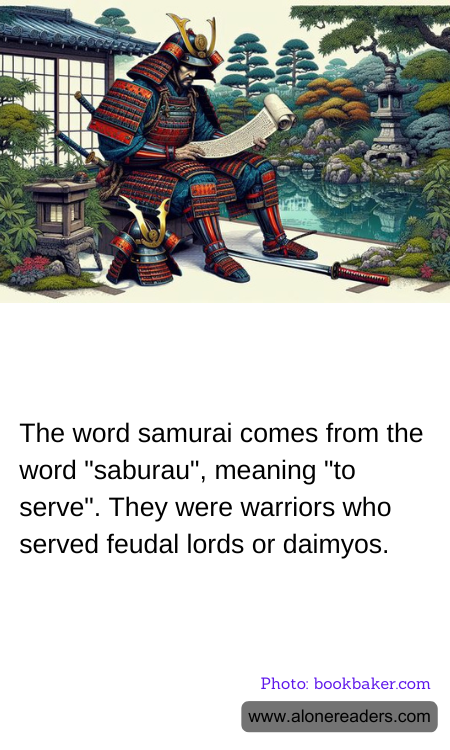
The term "samurai" evokes images of noble warriors clad in armor, wielding swords with unmatched skill and honor. However, the origins of the word itself reveal a deeper significance rooted in service and loyalty. The word "samurai" is derived from the Japanese verb "saburau," which means "to serve." This etymology underscores the fundamental role that samurai played in Japanese society as devoted servants to their feudal lords, known as daimyos.
During Japan's feudal era, which spanned from the 12th to the 19th century, the samurai were more than just warriors; they were the backbone of the military class. Their primary duty was to serve and protect their daimyo, who were powerful landowners and regional rulers. In exchange for their service, samurai were granted land or stipends, which allowed them to maintain their households and train in martial arts. This relationship was built on mutual respect and loyalty, with the samurai pledging unwavering allegiance to their lord, often to the point of sacrificing their own lives.
The samurai adhered to a strict code of conduct known as "bushido," or "the way of the warrior." This code emphasized virtues such as honor, courage, and discipline. Bushido was not merely a set of rules but a way of life that guided the samurai in both battle and daily affairs. The principles of bushido were deeply ingrained in the samurai's identity, influencing their actions and decisions. This code of ethics ensured that the samurai remained honorable in their service, maintaining the integrity of their role as protectors and servants.
The relationship between samurai and daimyo was not just a professional arrangement but often a deeply personal bond. Samurai were expected to be loyal to their lords even in the face of adversity. This loyalty was famously exemplified in the tale of the 47 Ronin, a group of samurai who avenged their master's death despite knowing it would lead to their own demise. Such stories highlight the profound sense of duty and commitment that characterized the samurai ethos.
As Japan transitioned into the modern era, the role of the samurai evolved, and the class eventually dissolved with the Meiji Restoration in the late 19th century. However, the legacy of the samurai endures, not only in historical texts and popular culture but also in the values of discipline, honor, and service that continue to resonate in Japanese society today.
In essence, the samurai were more than just warriors; they were emblematic of a culture that revered loyalty and service above all. Their legacy serves as a reminder of the profound impact that dedication and honor can have on society, transcending time and continuing to inspire generations.