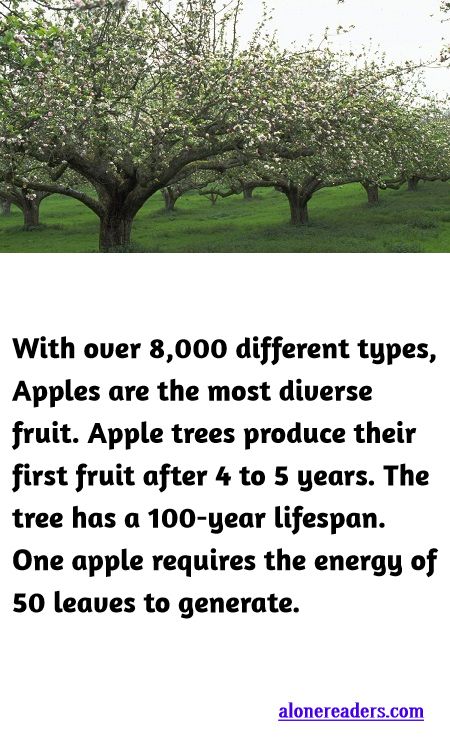
Apples, celebrated for their remarkable versatility and global popularity, stand as the most diverse fruit with over 8,000 varieties cultivated around the world. Each variety boasts unique characteristics, flavors, and textures, making apples a staple in numerous culinary traditions and diets. Ranging from the crisp, sweet flavors of Fuji and Honeycrisp to the tartness of Granny Smith, the diversity of apples provides a broad palette for cooking and baking, from ciders and pies to fresh salads.
Apple trees, on their part, vest considerable time in their development before bearing the fruits that are so widely enjoyed. Typically, an apple tree will start to produce fruit after 4 to 5 years of growth, requiring patient care and cultivation during its maturation phase. This period allows the tree to develop a robust structure necessary to support fruit production.
The lifespan of an apple tree further underscores its value, with some trees living and producing fruit for up to 100 years. Throughout its life, an apple tree requires the coordinated effort of about 50 leaves to produce each apple. This fascinating aspect of its biology highlights the energy-intensive process of fruit development, where each leaf plays a critical role in photosynthesis, the process that converts sunlight into the chemical energy that fuels fruit growth.
This intricate natural process facilitated by the apple tree not only yields a delicious and nutritious fruit but also contributes significantly to environmental sustainability. Apple trees help in carbon sequestration, capturing carbon dioxide from the atmosphere, which helps mitigate the impact of global warming. Additionally, the widespread cultivation of apples sustains numerous ecosystems and provides habitats for various species, including beneficial insects and birds.
The simple apple thus encapsulates a world of diversity and ecological importance, its cultivation reflecting human ingenuity and its bounty offering a window into the interconnectedness of nature. Whether enjoyed fresh off the tree, baked into a pie, or pressed into cider, apples continue to enrich our diets and our cultures, one fruit at a time.
