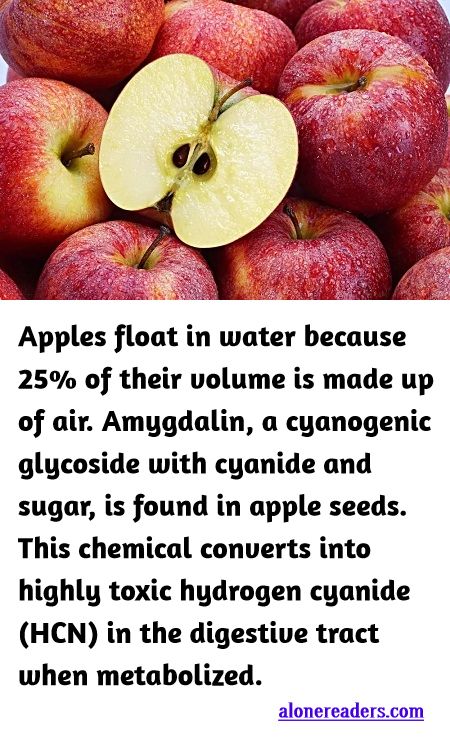
Apples are unique in many ways beyond their taste and nutritional benefits. One interesting physical property of apples is their ability to float in water, which is due to the fact that 25% of their volume is air. This characteristic is particularly noticeable during activities like "bobbing for apples," a popular game during various festivities. This buoyancy is a result of the pockets of air that are trapped in the porous parts of the apple's structure, making it less dense than water.
Furthermore, apples contain amygdalin, a compound found in the seeds of the fruit. Amygdalin is a cyanogenic glycoside, which consists of cyanide and sugar. This component is typically harmless when the seeds remain intact, but upon chewing, the compound can start to degrade into toxic substances. When metabolized in the digestive tract, it converts into hydrogen cyanide (HCN), a highly toxic substance that can be dangerous in large quantities. However, the amount of amygdalin in apple seeds is generally small, and accidentally swallowing a few apple seeds is unlikely to cause harm due to the body's ability to detoxify small amounts of cyanide efficiently. Nonetheless, it is advised to avoid intentionally consuming apple seeds in large quantities.
This dual nature of apples, where something seemingly innocuous contains potentially harmful elements, serves as a reminder of the complexities of natural foods. While they bring numerous benefits to the table, certain precautions are necessary when consuming them.
