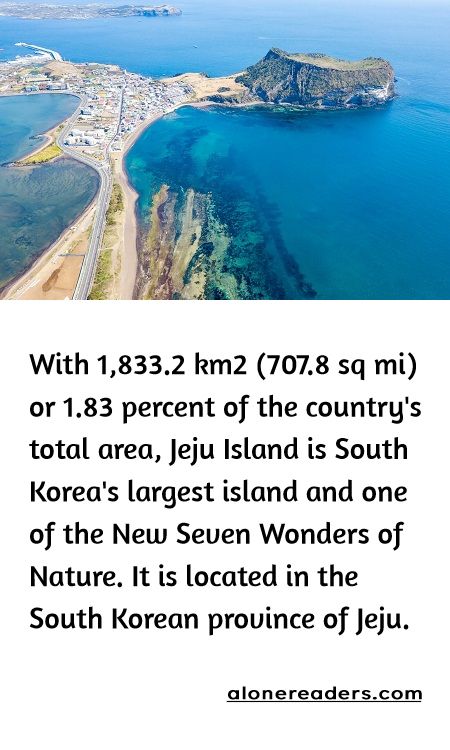
Jeju Island, South Korea's largest island, is renowned not only for its impressive size of 1,833.2 square kilometers, which accounts for 1.83 percent of the nation's total area but also for its ecological and aesthetic distinction as one of the New Seven Wonders of Nature. Positioned in the Jeju Province, the island serves as a prominent tourist destination captivating visitors with its diverse array of attractions ranging from lush natural landscapes to cultural landmarks.
The island's geography is dominated by Hallasan, the highest mountain in South Korea, which is actually a shield volcano. This central feature is surrounded by a varied landscape of volcanic rocks and lush forests, which are home to unique plant and animal species that have evolved in this isolated environment. The scenic beauty of the island includes several waterfalls, hidden coves, and pristine beaches that attract nature lovers and adventure seekers alike.
Culturally, Jeju is distinct from the mainland which is reflected in the local dialect, customs, and cuisine. The traditional lifestyle can be observed in the well-preserved villages where women divers, known as 'Haenyeo,' still harvest seafood by diving into the cold sea without using breathing apparatus. This practice has been recognized by UNESCO for its cultural significance.
In addition to its natural and cultural heritage, Jeju offers a variety of modern attractions such as theme parks, museums, and resorts. The island's commitment to sustainability and ecotourism is evident in its numerous eco-friendly initiatives, ensuring that its natural beauty and unique culture will be preserved for future generations. As such, Jeju Island stands as a proud embodiment of South Korea's commitment to blending tradition with modernity, nature with technology, all the while offering an inviting gateway into its rich heritage and inviting landscapes.
