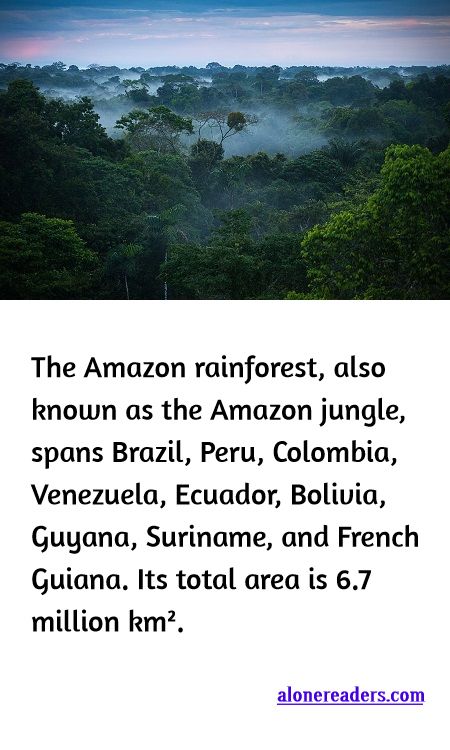
The Amazon rainforest, often epitomized as the lungs of our planet, is a vast expanse of biodiversity and ecological richness spread across South America. Stretched over 6.7 million square kilometers, it makes up approximately half of the planet’s remaining rainforests. This colossal ecosystem primarily extends through nine countries: Brazil, Peru, Colombia, Venezuela, Ecuador, Bolivia, Guyana, Suriname, and French Guiana, with the majority of its area within Brazil.
The Amazon's dense forest canopy shelters an unmatched variety of life. Scientists estimate that about 10% of known species on Earth reside in the Amazon rainforest, making it one of the most biodiverse regions globally. This includes not only millions of different species of flora and fauna but also over 400 indigenous tribes, each with unique languages, cultures, and relationships with their environment. These indigenous populations rely heavily on their surrounding resources for medicine, food, and shelter.
From a global perspective, the Amazon plays a critical role in regulating the earth’s atmosphere. Its vast stretches of trees absorb millions of tons of carbon dioxide each year, a greenhouse gas that contributes significantly to global warming. This natural process is essential for combating climate change. However, the Amazon itself is under threat due to deforestation and climate change. Large areas of the forest are lost annually to fires, logging, and land conversion for agriculture particularly in cattle ranching and soybean production.
Protecting the Amazon rainforest is not just about conserving a vast area of unparalleled biodiversity; it is about protecting a key element that sustains the global environmental system. International cooperation and sustainable management practices are crucial in preserving this critical resource. Efforts include establishing protected areas, enforcing laws against illegal logging, supporting sustainable livelihoods for local communities, and promoting awareness on a global scale.
In conclusion, the Amazon rainforest is not merely a feature of geographical textbooks but a vital organ of the Earth, deeply woven into the tapestry of global climate regulation and biodiversity conservation. Efforts to protect it affect not only the current but also future generations, underscoring the need for immediate and sustained action in conserving this natural wonder.
