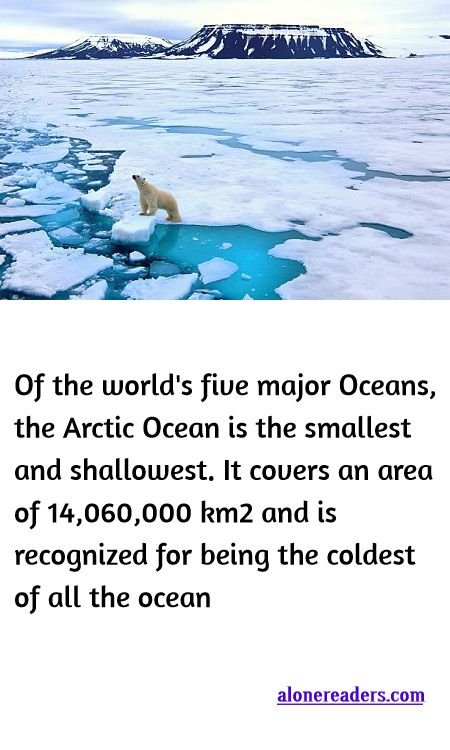
The Arctic Ocean, encompassing approximately 14,060,000 square kilometers, stands as the smallest and the most shallow among the world's five major oceans. Renowned for its frigid waters, this oceanic body is pivotal both ecologically and geopolitically. Unlike its larger counterparts, the Pacific, Atlantic, Indian, and Southern Oceans, the Arctic Ocean is encapsulated largely by the northern polar cap and circumscribed by landmasses such as North America, Eurasia, and Greenland, which makes it a mediating interface between intercontinental climate systems and oceanic currents.
The icy waters of the Arctic Ocean play a critical role in regulating the global climate. Acting like the Earth’s air conditioner, the ocean’s ice cover helps to reflect sunlight back into space, thereby cooling the planet. However, with the alarming rates of global warming, this reflective ice is diminishing, leading to what scientists refer to as the albedo effect reduction, which further exacerbates global temperature rise.
Moreover, the Arctic Ocean is a haven for a unique and diverse array of wildlife. Species such as polar bears, walruses, and seals depend on the sea ice for survival, utilizing it for breeding, hunting, and resting. The ocean also supports lush communities of algae and plankton, which serve as a foundation for the Arctic food web, feeding everything from small fish to large whales.
However, as global warming leads to the melting of sea ice at unprecedented rates, the habitat for these creatures is being threatened, thereby endangering the intricate ecological balance of the region. Moreover, this melting ice opens new pathways for navigation and potential extraction of untapped oil and natural gas reserves, attracting intense geopolitical interest and raising issues related to territorial claims and environmental preservation.
The decreasing ice coverage in the Arctic Ocean has not only exposed natural resources to exploration but has also opened new shipping routes that dramatically cut travel time between major ports. While these new routes hold significant economic potential, they also pose environmental risks, including oil spills and increased greenhouse gas emissions, which could further damage the fragile Arctic ecosystem.
In essence, the Arctic Ocean is a study in contrasts: profoundly influential and yet highly vulnerable; isolated yet at the center of significant geopolitical agendas; and a serene landscape that may, without careful management and conservation efforts, devolve into a site of ecological crisis. Its future depends not only on the policies and practices we implement to protect it but also on the broader efforts to combat global climate change.
