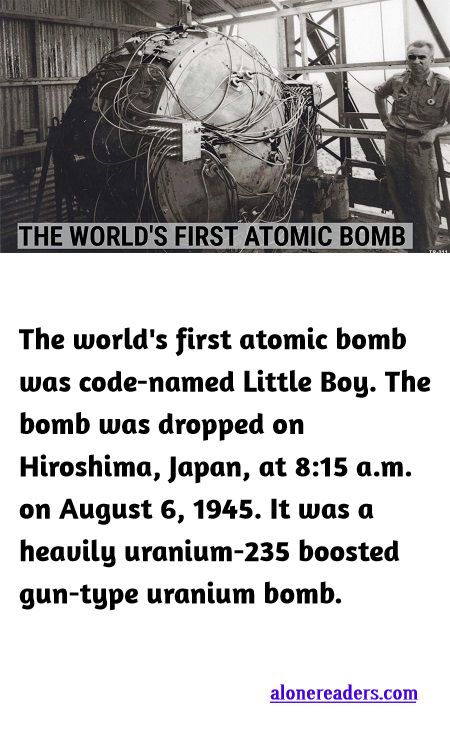
The world witnessed a transformational moment in its history with the detonation of the first atomic bomb, code-named Little Boy, over Hiroshima, Japan at 8:15 a.m. on August 6, 1945. This event marked a poignant and powerful display of the new atomic age, signaling dramatic shifts in both war strategy and international relations that would extend into the decades that followed. Little Boy was not just any bomb; it was a gun-type fission weapon, innovatively designed to initiate an explosive nuclear chain reaction through the shooting of a uranium-235 projectile into a uranium target. The mechanism was relatively simple, yet devastatingly effective.
Upon its deployment from the B-29 bomber, Enola Gay, piloted by Colonel Paul Tibbets, Little Boy descended over Hiroshima and detonated approximately 600 meters above the city. The immediate impact was catastrophic, unleashing a blinding flash and a fireball with temperatures reaching over a million degrees Celsius. In mere moments, around 70,000 to 80,000 people were obliterated, with an equal number injured severely. By the end of 1945, the death toll had approached 140,000 due to injuries and radiation sickness.
The bombing of Hiroshima, closely followed by the detonation of a second bomb, Fat Man, over Nagasaki, was pivotal in bringing about the end of World War II, as Japan surrendered less than a week later. However, the ethical implications and human cost of using such a powerful weapon sparked a complex debate that has continued to this day. The bombings left a legacy of both technological innovation in warfare and a sober reminder of the destructive capabilities humans wield. The scars of the event remain etched in both the physical and social landscape of Hiroshima, serving as a potent reminder of the need for peaceful resolutions to conflicts and the controlling of nuclear arsenals.
