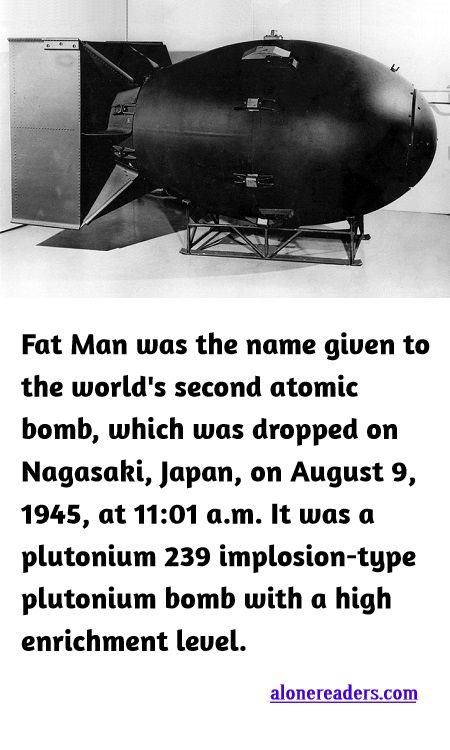
Fat Man, the code name for the second atomic bomb ever used in warfare, marked a profoundly significant moment in history when it was dropped on Nagasaki, Japan, on August 9, 1945. This devastating deployment came just three days after the bombing of Hiroshima by its counterpart, Little Boy. Unlike Little Boy, which was a uranium-based weapon, Fat Man utilized plutonium-239 and operated on an implosion-type design, a sophisticated mechanism that involved compressing the plutonium core to prompt a nuclear explosion. The level of enrichment and the technical complexity of Fat Man indicated advances in nuclear technology and weapon design that were unprecedented at the time.
The bombing of Nagasaki with Fat Man led to catastrophic destruction in the city and was a decisive factor in Japan's subsequent surrender, effectively bringing World War II to an end. However, the use of such a weapon also opened up significant ethical, political, and social debates regarding the use of nuclear energy and the moral implications of mass destruction weapons. The after-effects were immediate and long-lasting, with survivors facing severe health problems and environmental repercussions still evident decades later.
The events leading to the deployment of Fat Man involved numerous scientific figures and a vast array of resources under the secretive Manhattan Project in the United States. The project not only led to significant developments in nuclear physics and engineering but also set the stage for the nuclear arms race during the Cold War. As we reflect on the implications of Fat Man's usage, it remains a stark reminder of the destructive power humans wield and the ongoing need for responsible management of nuclear technologies.
