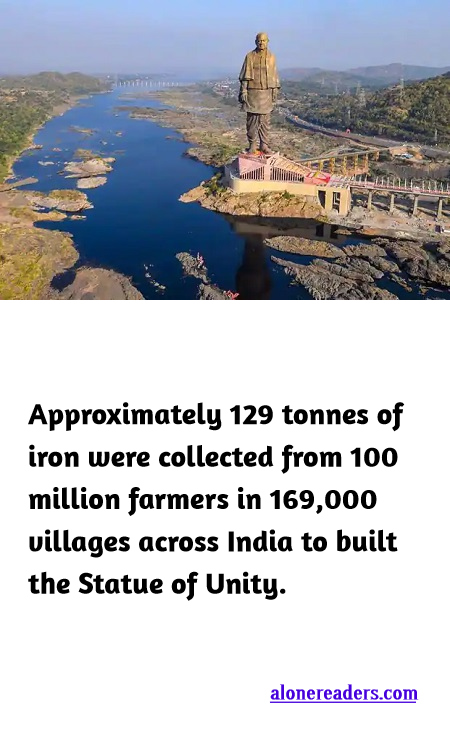
The Statue of Unity, an iconic monument dedicated to Vallabhbhai Patel, a key figure in India's struggle for independence and the unification of the republic, stands as a beacon of national pride and a symbol of unity. This colossal statue, standing at an impressive height of 182 meters, was constructed not only with an array of modern architectural techniques but also through an unprecedented public campaign to collect iron. Approximately 129 tonnes of iron were amassed through the contributions of about 100 million farmers from across 169,000 villages. This creative endeavor, coined the "Loha Campaign," sought out used farm implements from farmers nationwide to contribute a small part of their daily lives toward building something monumental.
The participation was not just massive but also symbolic, representing the unity and collective effort of an entire nation, much like Sardar Patel's role in uniting the diverse princely states of India into a single federation. The iron collected was melted down and used in the foundation of the statue, imbuing it with even greater symbolic value as a literal grounding in the tools of everyday farmers, the backbone of the nation. Beyond a mere architectural marvel, this method of material collection bestowed the structure with a deep, intimate connection to the citizens of India, reflecting the essence of democratic participation and collaborative development.
Such initiatives underscore how grand projects can resonate with personal stories and contributions, transforming them from static monuments into living legacies that carry within them the spirit and toil of millions. The Statue of Unity thus stands not only as a testament to the engineering and artistic capabilities of modern India but also as a profound emblem of national unity and collective identity, built from the very iron that once ploughed the fields of the world’s most populous democracy. This collaborative approach set a precedent for other monumental projects, emphasizing inclusivity and the significance of symbolic participation in national milestones.
