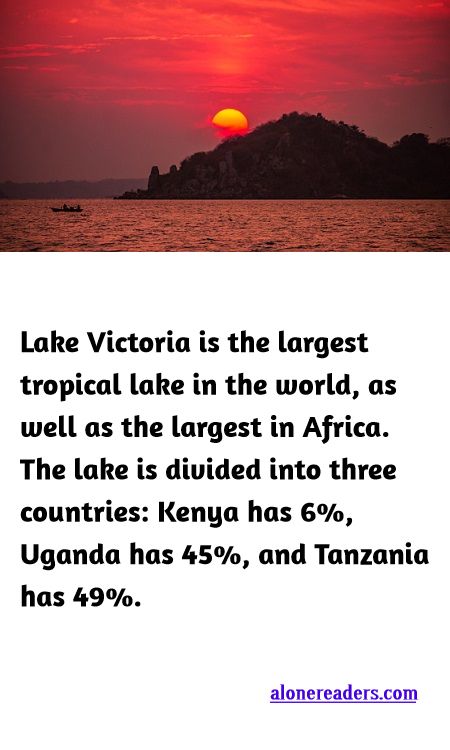
Lake Victoria, renowned as the largest tropical lake globally and the largest lake in Africa, spans an impressive area, touching three nations: Kenya, Uganda, and Tanzania. Its vast expanse plays a crucial role in the economies of these countries through fishing, agriculture, and transportation activities that sustain millions of livelihoods.
The lake's waters are pivotal for farming, as they irrigate vast plantations of crops essential for the region's food supply and economic stability. Fishing is another critical industry in Lake Victoria, with its fresh waters teeming with a variety of fish species, including the well-known Nile Perch, which is a significant export product for the region.
However, Lake Victoria faces a multitude of ecological challenges that threaten its sustainability. These include pollution, invasive species like the Nile perch itself, and water hyacinth, and the overarching impacts of climate change. These issues have led to decreased fish populations, which in turn affect the local fishing industry, thereby impacting the livelihoods of communities that rely on the lake.
Efforts to manage and conserve Lake Victoria are ongoing, involving cooperative measures by the governments of Kenya, Uganda, and Tanzania. These initiatives aim to enhance water quality, manage fish stocks, and control invasive species, thereby ensuring the lake can continue to support the economic activities that millions depend on. Moreover, educational and regulatory programs are increasingly employed to empower local communities to participate in sustainable practices.
In conclusion, Lake Victoria is not only a geographical landmark but also a vital ecological asset, central to the economies and cultures of the East African region. The challenges it faces require concerted efforts and sustainable practices to ensure it remains a lifeline for the nations it borders. Through continued collaboration and effective management, the future of Lake Victoria can be preserved for generations to come.
