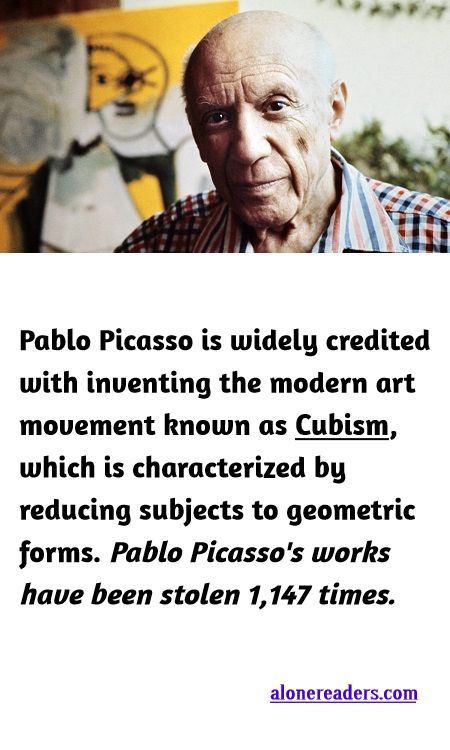
Pablo Picasso, a titan in the world of modern art, is best known as one of the pioneers of the Cubist movement, a revolutionary style that transformed the aesthetic dimensions of the 20th century art scene. This innovative art form broke from traditional perspectives by depicting subjects from multiple viewpoints, thus creating a fragmented and abstract form. Picasso's exploration into Cubism was largely influenced by his desire to see beyond the superficiality of shapes and delve deeply into the essence of objects and human figures. His use of geometric shapes and interlocking planes not only distorted but also redefined realities, offering novel visual interpretations of the world around him.
Picasso’s impact on the art world is profound, with a prolific output that includes not just paintings but also sculptures, drawings, and ceramics. Among his numerous contributions, works like "Les Demoiselles d’Avignon" and "Guernica" stand out as icons of modern art, both for their style and for their complex commentary on human nature and societal issues. However, Picasso's fame and the high value placed on his artwork have made them a prime target for art thieves. Astonishingly, Picasso’s works have been stolen more than a thousand times—a testament to their immense appeal and worth in the art market. This high number of thefts also underscores the challenges and significant responsibility museums and collectors face in ensuring the security and preservation of his works.
Despite these challenges, Picasso’s legacy continues to influence countless artists and enrich the global art community. His ability to continuously innovate and challenge artistic norms keeps his work both relevant and revered in modern discussions of art and aesthetics.
