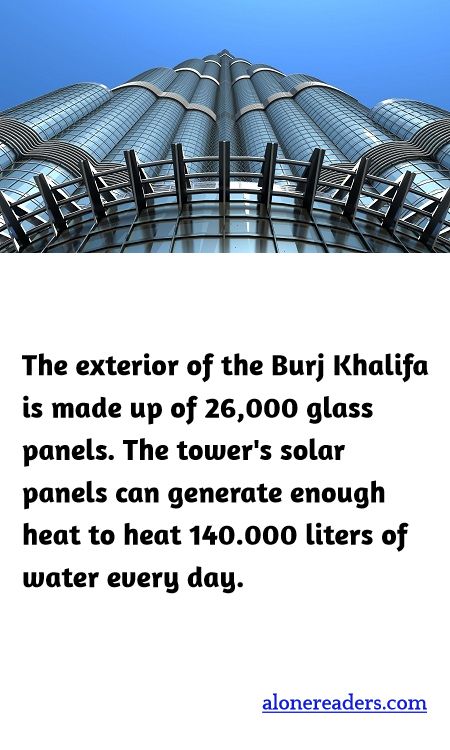
The Burj Khalifa, a skyscraper that pierces the sky at an astonishing height of 828 meters, is not only the world's tallest building but also a marvel of engineering and design. One of the most notable aspects of its construction is the use of 26,000 glass panels on its exterior. These panels are not just ordinary glass; they are specifically designed to withstand the extreme temperatures of Dubai, reduce heat transmission, and offer resistance to the corrosive salty air from the nearby Persian Gulf. Each pane is meticulously cleaned and maintained to ensure the building remains the shimmering beacon of the Dubai skyline.
Adding to the environmental sophistication of the Burj Khalifa is its integration of solar energy technologies. The building is equipped with solar panels capable of heating up to 140,000 liters of water every day. This system harnesses the abundant solar energy available in the region, turning it into a sustainable resource for heating water used in the building's residential, hotel, and commercial facilities. This not only helps reduce the building's carbon footprint but also significantly lowers the energy consumption costs associated with heating water by conventional means.
The sustainability measures implemented in the Burj Khalifa demonstrate a commitment to innovative, energy-efficient solutions that can function at the pinnacle of luxury and technology. These features exemplify how modern skyscrapers can be designed with attention to both aesthetic splendor and environmental responsibility. The fusion of advanced glass technology and solar energy utilization in the Burj Khalifa sets a high standard for future developments in the field of sustainable architecture, showcasing that the skyscrapers of the future can indeed reach new heights while being mindful of their environmental impact.
