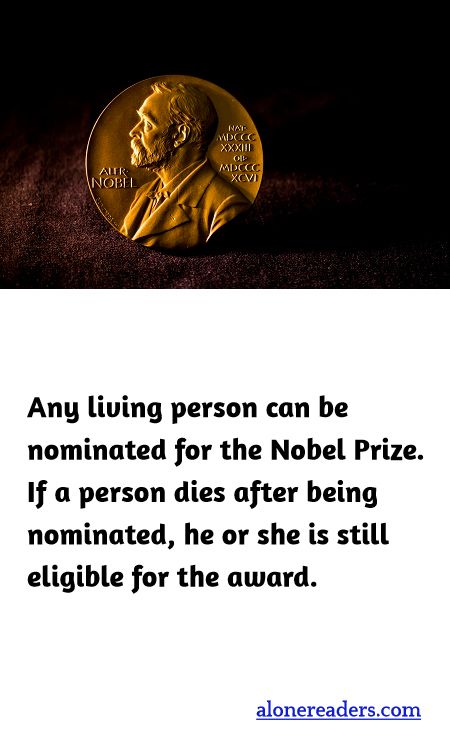
The Nobel Prize is one of the most prestigious accolades worldwide, awarded in multiple categories such as Peace, Literature, and various scientific fields. What stands out is the openness of its nomination process. Indeed, any living person can be nominated for a Nobel Prize, a policy that underscores the inclusive and expansive approach the Nobel committees seek to uphold in recognizing outstanding contributions to humanity.
The nomination process allows a diverse range of professionals and academics—including university professors, lawmakers, former laureates, and members of the Nobel committees themselves—to put forward candidates whom they believe have made world-altering contributions in their field. Once someone is nominated, their candidacy can be considered during that year, and any subsequent evaluation period, as long as they remain alive at the time of their nomination.
Interestingly, if a nominee passes away after being nominated but before the final decision is made, their candidacy remains valid. This rule ensures that the nominee’s contributions can still be honored and recognized, even posthumously, if the death occurs after the nomination. Nonetheless, the Nobel Foundation does not consider nominations for individuals who have died before being nominated. This policy emphasizes the intent to honor living contributors, although a few exceptions in historical cases like that of UN Secretary-General Dag Hammarskjöld, who was awarded the Nobel Peace Prize posthumously in 1961, do exist.
This approach by the Nobel Foundation permits the awards to continually reflect the dynamic and evolving nature of global contributions across a vast spectrum of disciplines. It also shows a profound respect for the life and work of those nominated, ensuring that their legacies are considered and potentially honored regardless of their physical survival during the entirety of the nomination and selection process. It’s a poignant reminder of the impact one individual can have on the world, sometimes recognized most significantly in the wake of their passing.
