In the dense rainforests of northern Borneo, traditional beliefs and practices remain deeply interwoven into the fabric of daily life, particularly among indigenous communities. One of the most intriguing customs involves the Rafflesia arnoldii, the world’s largest flower, which is native to Southeast Asia, specifically found in the rainforests of Indonesia, Malaysia, and Thailand. This rare and spectacular plant is not just known for its massive bloom and distinctive appearance, but also for its traditional uses among the indigenous peoples.
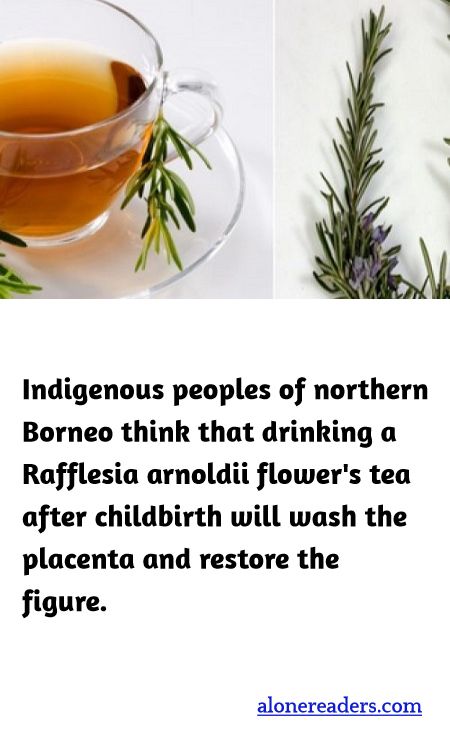
The Rafflesia's significance extends beyond its physical allure. After childbirth, it is customary among some indigenous groups in northern Borneo to drink tea made from the Rafflesia arnoldii flower. They believe that this tea has the ability to "wash the placenta" and help in restoring the mother’s figure to its pre-pregnancy state. This practice is deeply embedded in the cultural heritage of these communities, reflecting a profound respect for the natural world and its healing properties.
The preparation of the tea involves careful and respectful handling of the flower, which is a rare and protected species. The bloom of the Rafflesia arnoldii is a fleeting spectacle, lasting only a few days before decomposing, which makes the timing of its use crucial. The knowledge of when and how to use the flower is passed down through generations, often guarded as a closely held secret among the women of the community.
This postpartum remedy is a perfect example of how indigenous knowledge systems can offer insights into natural medicine and wellness practices. However, with the challenges of modernization and the threat of habitat destruction, there is a growing concern about the preservation of such traditional practices and the conservation of the Rafflesia itself.
Addressing these concerns requires a balanced approach that respects indigenous rights and integrates traditional knowledge with conservation efforts. It serves as a reminder of the importance of biodiversity and the need to sustain the cultural heritage of indigenous peoples, as they hold the keys to understanding many of the natural world's mysteries. Through ensuring that these practices are respected and preserved, we can maintain the delicate balance between development and the need to protect our planet’s diverse cultures and ecosystems.
