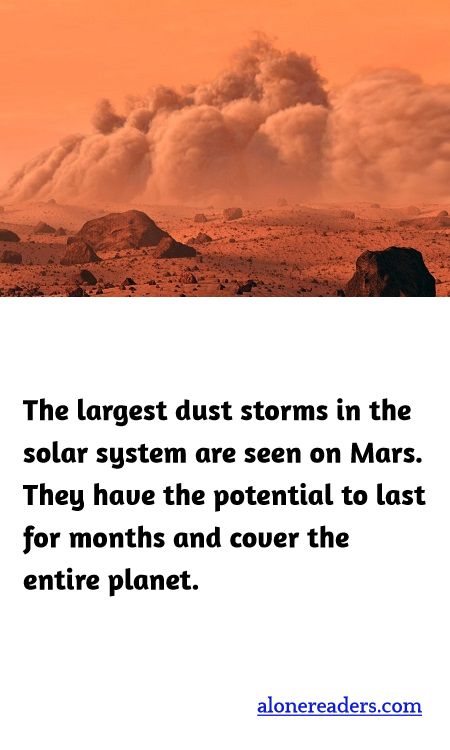
Dust storms on Mars are truly a marvel of the solar system, showcasing both the dynamic nature of Martian weather and the challenges it poses to exploration. Unlike Earth-bound dust storms, which are relatively localized and short-lived, Martian dust storms can balloon to cover the entire planet and last for months, sometimes enveloping the surface in thick, swirling clouds of dust.
These storms begin in much the same way as dust storms on Earth, with winds lifting particles of dust off the ground. However, on Mars, this process is supercharged by the planet's thin atmosphere, which is just 1% the density of Earth's and composed mostly of carbon dioxide. This thin atmosphere, when heated by the sun, can create strong temperature gradients that drive powerful winds capable of lifting vast amounts of dust. During the Martian summer, sunlight warms the dust-filled atmosphere, causing it to rise and generate more wind, lifting even more dust and setting the stage for a global event.
The impact of these dust storms is profound and widespread, affecting everything from daily temperatures to the viability of solar-powered missions. During a global dust storm, the dust hanging in the Martian atmosphere can significantly reduce the sunlight that reaches the surface, plunging temperatures and creating an inhospitable environment. For solar-powered equipment, like the historic Opportunity rover, such storms can be calamitous, as the reduced sunlight can deprive them of their energy source, ultimately threatening their operational capabilities.
Scientifically, these storms also offer a unique lens through which to study Mars. They play a significant role in redistributing surface material and might even affect the planet's climate. Each storm provides valuable data that can help scientists understand the Martian atmosphere, its weather patterns, its potential for erosion, and the various interactions between surface and atmospheric components.
Moreover, understanding Martian dust storms is crucial for the future of space exploration, particularly for missions that aim to land humans on Mars. Knowledge about how these storms develop and evolve, and finding ways to predict and mitigate their impact will be essential for ensuring the safety and success of manned missions. Future explorers may need to design habitats and other equipment that can withstand or avoid the detrimental effects of these massive, planet-engulfing storms.
In sum, the dust storms of Mars, with their grand scale and profound impact, continue to captivate and challenge scientists, offering both obstacles and opportunities as humanity reaches toward the dream of one day setting foot on the Red Planet.
