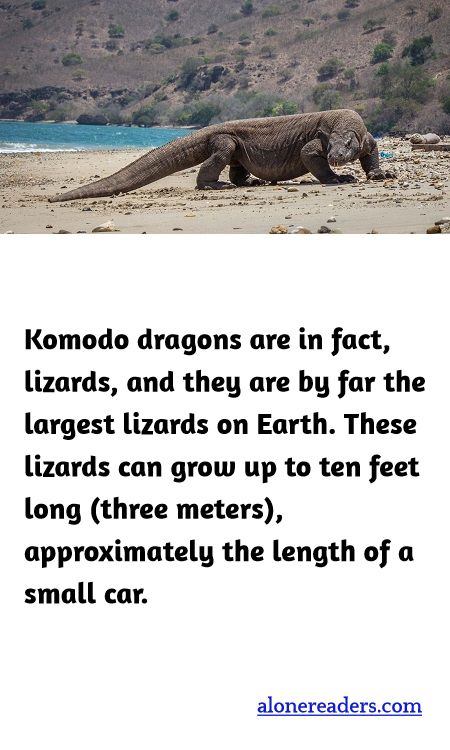
Komodo dragons are fascinating creatures that attract both awe and curiosity, being the largest lizards on Earth. Found primarily on the Indonesian islands of Komodo, Rinca, Flores, and Gili Motang, these formidable reptiles can grow to about ten feet in length and weigh up to 150 pounds, making them truly a sight to behold. Their size is equivalent to that of a small car, a fact that highlights their dominant presence in their natural habitat.
These lizards are not only unique due to their size but also because of their unusual hunting methods and diet. Komodo dragons are carnivorous and are capable of eating very large prey, such as deer, pigs, and even large water buffalo. Remarkably adaptive predators, they employ a stealthy approach followed by a sudden burst of speed to ambush their prey. They possess sharp claws and powerful jaws with serrated teeth that can tear through flesh with ease.
Another intriguing aspect of Komodo dragons is their venomous bite, which is a relatively recent discovery. Previously, it was believed that bacteria in the dragon's saliva helped bring down prey by causing blood poisoning. However, scientific studies have shown that they have venom glands in their jaws which secrete anticoagulants, making their bite lethal by causing shock and massive bleeding in their prey.
Despite their fierce reputation, Komodo dragons are vulnerable to the pressures of habitat loss, human encroachment, and climate change. They are classified as Endangered by the International Union for Conservation of Nature (IUCN) and are protected under Indonesian law. Conservation efforts are in place to help preserve their populations, such as habitat protection, anti-poaching measures, and tourism management. Eco-tourism, in particular, has played a significant role in raising awareness and generating funds to support these initiatives.
Learning about these magnificent creatures not only fascinates us but also reminds us of the complexity of our natural world and the importance of preserving such unique species. The survival of Komodo dragons depends not only on the continued efforts of conservationists but also on public support and global awareness about the fragility of wildlife and ecosystems.
