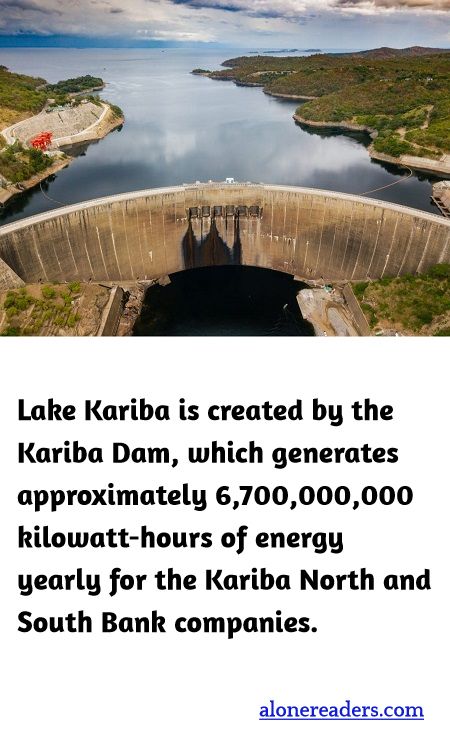
Lake Kariba stands as a striking testament to human engineering and natural beauty. Nestled between Zambia and Zimbabwe, this vast reservoir was formed by the damming of the Zambezi River with the construction of the Kariba Dam in the late 1950s. This monumental endeavor was aimed primarily at generating hydroelectric power and today, the dam produces roughly 6,700,000,000 kilowatt-hours of electricity annually. This power is crucial, servicing the Kariba North Bank Power Station in Zambia and the Kariba South Bank Power Station in Zimbabwe.
The creation of Lake Kariba was a landmark event in African infrastructure development. At the time it was completed, Kariba Dam was the largest man-made dam in the world, and today, Lake Kariba remains one of the world's largest artificial lakes. Its creation has had profound impacts on the regional economy by providing energy for homes, industries, and businesses in both Zambia and Zimbabwe. The hydroelectric power generated is a significant portion of both countries’ energy supplies, promoting economic growth and aiding in agricultural and industrial activities.
Beyond its utilitarian functions, Lake Kariba has developed into a vibrant ecological habitat and a bustling hub for tourism. The lake's shores and the surrounding areas boast a rich biodiversity, including numerous fish species and large populations of crocodiles and hippos. Overhead, African fish eagles soar, hunting their next meal. The lush landscapes and abundant wildlife make the area a favorite for tourists seeking the serene beauty of nature and adventure activities like fishing, boating, and game viewing.
However, the creation of Lake Kariba was not without its challenges. The rising waters caused by the dam's construction led to Operation Noah, a large-scale animal rescue mission led by conservationist Rupert Fothergill. Thousands of animals were saved from the floodwaters in what has become one of the largest wildlife rescue operations in history. This highlights the complex interactions between human development and wildlife conservation.
The multidimensional impact of Lake Kariba demonstrates both the benefits of thoughtful and strategic infrastructural development and the challenges it can pose to the environment and existing ecosystems. As both Zambia and Zimbabwe continue to develop and increase their reliance on hydroelectric power, Lake Kariba will remain a crucial element of their energy strategies, as well as a pristine natural resource and a beacon for sustainable tourism.
