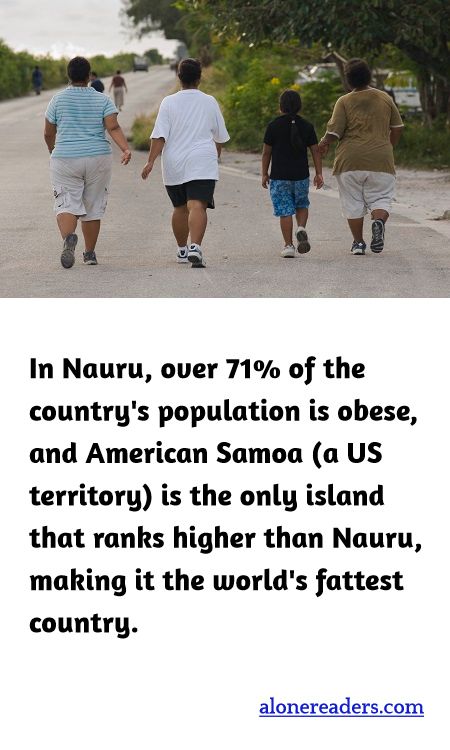
American Samoa, a small US territory in the South Pacific, has the alarming distinction of having the highest rate of obesity in the world. Over 71% of its population is categorized as obese, an issue that surpasses even Nauru, another Pacific island known for its high obesity rates. This statistic not only highlights a significant health crisis but also underscores a complex interplay of cultural, economic, and environmental factors at play.
The reasons behind such widespread obesity in American Samoa are multifaceted. Traditionally, the Samoan culture has favored robust body types, often associating larger sizes with beauty, strength, and wealth. This cultural preference can sometimes discourage weight loss efforts, as being overweight is not viewed negatively to the extent it is in many other cultures. Additionally, economic challenges complicate healthy eating choices. The high cost of importing fresh fruits and vegetables means that cheaper, processed foods with longer shelf lives are more accessible and affordable. These foods are often high in fats, sugars, and calories, contributing to the obesity problem.
Moreover, the modernization of lifestyles in American Samoa has led to more sedentary ways of living. Increased car use, less physically demanding jobs, and the prevalence of television and other forms of sedentary entertainment contribute significantly to the lack of physical activity.
Addressing this health crisis requires multifaceted approaches. Education on nutrition and the benefits of physical activity is crucial. Local government and health services are trying to implement programs that could incite a shift in public perceptions towards healthier lifestyle choices. Efforts to make fresh produce more affordable and accessible, alongside campaigns promoting physical activities tailored to the community, could also play significant roles in combating obesity.
Internationally, the situation in American Samoa has drawn attention to similar challenges faced by other island nations in the Pacific and beyond, places where obesity rates are also alarmingly high. The global health community continues to monitor these developments closely, hoping that successful interventions in American Samoa might serve as a model for tackling obesity in other contexts. This public health issue underscores the need for a coordinated approach that encompasses cultural sensitivities and economic realities, aiming for sustainable health improvements across generations.
