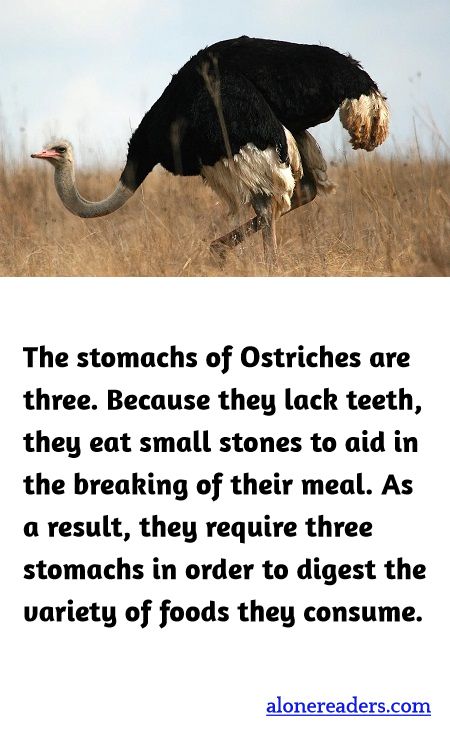
Ostriches are fascinating creatures, not only because of their impressive size and speed but also due to their unique digestive system. Unlike many other birds, ostriches have a specialized system comprising three stomachs to efficiently digest their varied diet. This adaptation is particularly interesting given that ostriches do not have teeth. Instead of chewing, they swallow small stones that help in grinding down the food in a process known as gastroliths. These stones are essential as they act much like teeth would in other species, aiding in the mechanical breakdown of food.
The first of the three stomachs is known as the proventriculus or glandular stomach, where initial digestion occurs with the help of enzymes. The food then moves to the gizzard, or muscular stomach, which is strong and contains swallowed stones. These stones churn within the gizzard, physically breaking down the food into smaller pieces. This process is crucial because it increases the surface area of the food, making it more accessible for enzymes in the subsequent stages of digestion. The final stomach, the small intestine, is where most of the nutrients are absorbed.
The need for such a complex digestive system arises from the ostrich's omnivorous diet, which includes everything from insects and lizards to seeds and leaves. The varying nutritional content and physical composition of these food items mean that different digestive processes are necessary to extract the maximum amount of nutrients. The three-stomach system allows for a more graduated and effective digestion process compared to other birds, adapting perfectly to the ostrich's diverse dietary requirements.
Furthermore, the process of swallowing stones to aid digestion highlights a remarkable example of how living creatures evolve mechanisms to survive and thrive in their environments. For the ostrich, a bird with no teeth, the innovative use of gastroliths represents a fascinating case of evolutionary adaptation. This not only showcases the complexity of animal biology but also underscores the interdependence between an organism and its habitat. The availability of suitable stones is as important as the presence of food itself, ensuring the proper functioning of their digestive system and ultimately, their survival. This aspect of ostrich biology is not only a testament to the adaptability of life on Earth but also a compelling narrative in the study of avian physiology.
