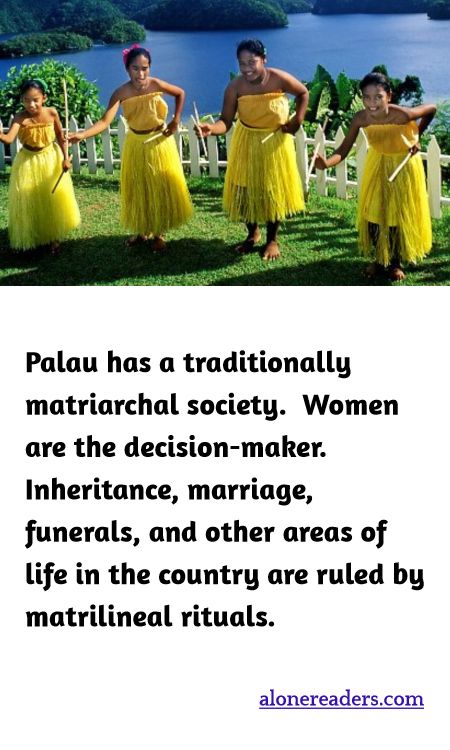
In the island nation of Palau, a unique cultural framework has long shaped the social fabric and governance structures, creating a society where women play a central, authoritative role. Unlike many other societies around the world where patriarchy predominates, Palau's traditional structure is predominantly matriarchal, allowing women significant influence over family and community matters.
Central to Palauan culture is the practice of matrilineality, where lineage and inheritance pass through the mother's line. This system significantly empowers women, granting them control over land ownership and the right to pass on titles and estates to their daughters. Such practices ensure that women are not only the caretakers of family heritage but also key decision-makers in economic and social issues.
Marriage in Palau also underscores the importance of women in societal leadership. Women often have the final say in choosing a spouse, and marriages typically serve to strengthen family ties and alliances between clans. Women’s approval in these matters is crucial and respected, reflecting their integral role in maintaining and nurturing the social order.
Moreover, women in Palau traditionally lead in organizing and managing funerals, a vital community ritual that honors the deceased and provides closure for the family. These events are deeply spiritual and require meticulous planning, all of which fall under the women's purview. By overseeing these critical customs, Palauan women ensure the cultural continuity and cohesion of their communities.
This matriarchal arrangement has broader implications for governance and leadership beyond familial and community boundaries. In Palauan society, women often hold significant positions in local government and organizations, influencing policies and decisions at higher levels. Their leadership style, which emphasizes consensus and community welfare, contributes to a more inclusive and balanced approach to governance.
Although modern influences and contemporary legislation have introduced changes to some traditional practices, the core aspects of female leadership remain deeply ingrained in Palauan society. This respect for women's roles is not just a nod to tradition but a lived reality that continues to shape the identity and progress of this unique island nation, offering a compelling alternative to the male-dominated governance structures seen in much of the world.
