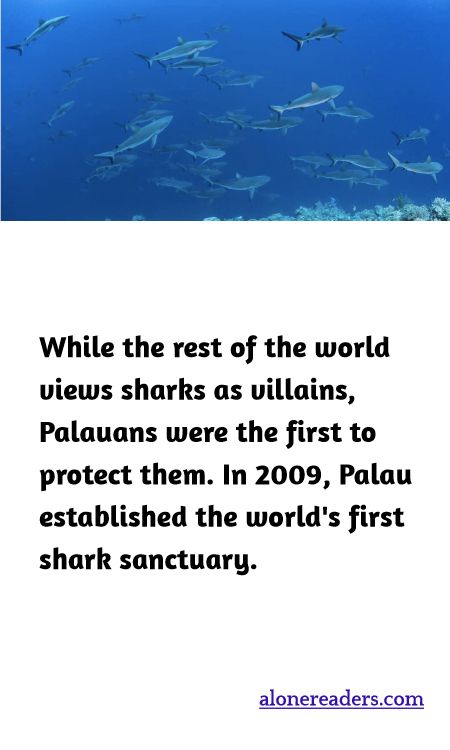
In the vast expanse of the Pacific, the small island nation of Palau has carved out a unique role in marine conservation, especially concerning the protection of sharks. Globally, these majestic predators often bear an undeserved villainous reputation, spurred by sensationalized media and folklore. However, Palau's relationship with sharks diverges significantly from this narrative, showcasing a profound respect and understanding of their role in the ocean's ecosystem.
In a groundbreaking move in 2009, Palau declared all of its exclusive economic zone, an immense area encompassing 600,000 square kilometers of ocean, as a shark sanctuary. This was the first initiative of its kind in the world, a huge stride forward in global marine conservation efforts. Overfishing and shark finning have brought numerous shark species to the brink of extinction, threatening the balance of marine life. Shark finning, in particular, is a brutal practice that involves the removal of fins from live sharks, who are then thrown back into the ocean to die. The establishment of the sanctuary was aimed directly at combating these practices.
This bold conservation move by Palau has not only provided sharks a safe haven but has also shifted local and international perspectives. The sanctuary helps maintain healthy populations of sharks, which is crucial since they are apex predators and play a key role in maintaining the structure of marine ecosystems. An imbalance caused by the reduction in shark numbers can lead to catastrophic effects on other marine life, including commercially important fish species.
Moreover, Palau's initiative has inspired other countries to follow suit. Following their lead, similar sanctuaries have been established in other parts of the world, creating a global network of safe spaces for sharks. This chain reaction highlights the enormous impact small nations can have on global conservation efforts.
Palau’s relationship with its marine environment runs deep. The locals have long understood the importance of living in harmony with nature, a philosophy embedded in their traditional practices and laws. This inherent respect for the environment can serve as a model for other countries, proving that effective and sustainable conservation is achievable with the right mix of cultural values, modern policy-making, and community engagement.
In conclusion, Palau's pioneering step in establishing the world's first shark sanctuary is a testament to their avant-garde approach to conservation and environmental preservation. It reflects a broader commitment to sustainable development and biodiversity conservation, which is deeply woven into the cultural fabric of this Pacific island nation. Palau remains a leading figure in marine conservation, demonstrating the profound impact of innovative policies and the power of small states to influence global environmental practices.
