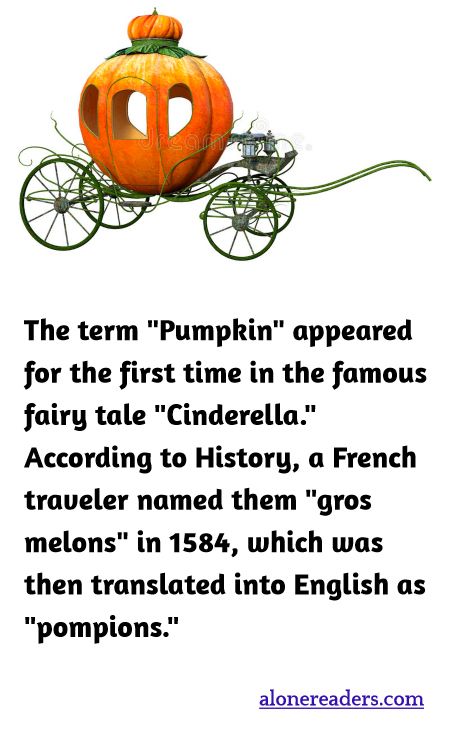
The illustrious journey of the word "pumpkin" traces its roots back to a fascinating linguistic evolution and cultural integration that notably graced the pages of one of the world’s most beloved fairy tales, "Cinderella." The term, which is now synonymous with autumn festivities and culinary delights, initially entered the written record with quite a different portrayal. In 1584, a French explorer, Jacques Cartier, documented his discovery of this robust, orange fruit in the Americas. He described them as "gros melons," a term which the French used at the time. The narrative of these "gros melons" traveled across the Atlantic to England, where they morphed linguistically by the British. By the time the English got hold of the word, "gros melons" translated to "pompions," as recorded in English literature.
It was from this point that the word underwent further transformation and finally settled into its modern form "pumpkin." This linguistic evolution mirrors the journey of the pumpkin through various cultures and cuisines, embedding itself as a staple in traditions worldwide. When Charles Perrault, a French author, penned "Cinderella" in 1697, he chose this common vegetable, transformed through fairy magic into a magnificent carriage, as a central plot element. This fairy tale did more than just popularize the term; it nestled the pumpkin into the iconic imagery of Western folklore, making it a symbol of magical transformation and wonder.
Interestingly, while Perrault might have brought the pumpkin widespread fame through his fairy tale, the vegetable itself had been serving various purposes much before its literary debut. Native American tribes grew pumpkins long before Europeans arrived, using them as a crucial food source and integrating them into their seasonal cycles. European settlers quickly adopted pumpkins, finding them not only edible but also easy to grow and store, factors essential for surviving harsh winters.
Therefore, the pumpkin’s journey from "gros melons" to "pumpkin" is not just a tale of linguistic change, but also a reflection of the plant’s integration into various cultures and its rise to prominence, culminating in its unforgettable role in "Cinderella." This trajectory highlights how language evolves and adapts across time and geography, paralleling the cultural assimilation and transformation of the objects it names.
