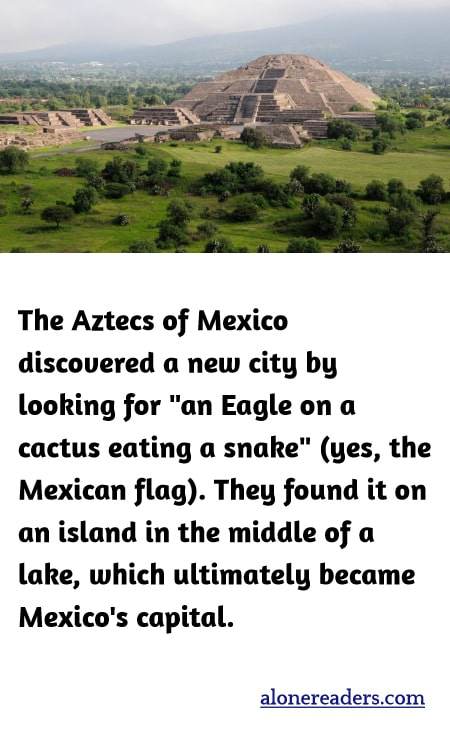
In the heart of what is now modern Mexico City lies an origin story that features an emblematic scene captured on the national flag of Mexico: an eagle perched atop a prickly pear cactus, devouring a snake. This powerful image is rooted in the ancient lore of the Aztecs, one of Mesoamerica's most formidable civilizations. According to Aztec legend, their people wandered for years seeking a sign that would indicate the precise location to establish their new settlement.
The prophecy, delivered by their principal god Huitzilopochtli, was clear: find the eagle gripping a serpent while settled on a nopal cactus. This sign was meant to symbolize strength and resilience, qualities deemed crucial for the foundation of a new city. The quest came to a fruitful conclusion when the Aztecs discovered this scene on a small island in the expansive Lake Texcoco. Convinced they had found the prophesied land, they set about constructing what would become Tenochtitlan, an advanced city with intricate canals, massive temples, and a population that would swell to become one of the largest in the world at its time.
The founding of Tenochtitlan marked a pivotal moment in Aztec civilization, setting the stage for it to blossom into an empire known for its architectural feats, complex societal structures, and vibrant cultural traditions. The site's selection was not just inspired by religious fervor but also reflected strategic thinking. The island location offered natural defenses against invaders and controlled water access in the form of freshwater from springs beneath the lake. This auspicious beginning was, in time, recognized symbolically through the emblem of the eagle and the snake, capturing the essence of Aztec resilience and divine destiny.
This emblem has endured far beyond the reign of the Aztecs, its significance woven into the fabric of Mexican identity. When the Spanish conquered the Aztec empire in the 16th century, Tenochtitlan was razed and reconstructed as Mexico City, the capital of the new Spanish territory. The Aztec legacy, however, permeated deep, with the powerful symbol of the eagle and the snake later adopted in the Mexican flag after the country's independence from Spain in the 19th century.
Today, the image stands as a reminder not only of Mexico's rich indigenous heritage but also of its enduring spirit. The floating gardens of Xochimilco, remnants of the ancient Aztec agricultural techniques, and the bustling Zocalo, once the central square of Tenochtitlan, are daily reminders in Mexico City of a past that continues to inform and inspire the future of this vibrant nation.
