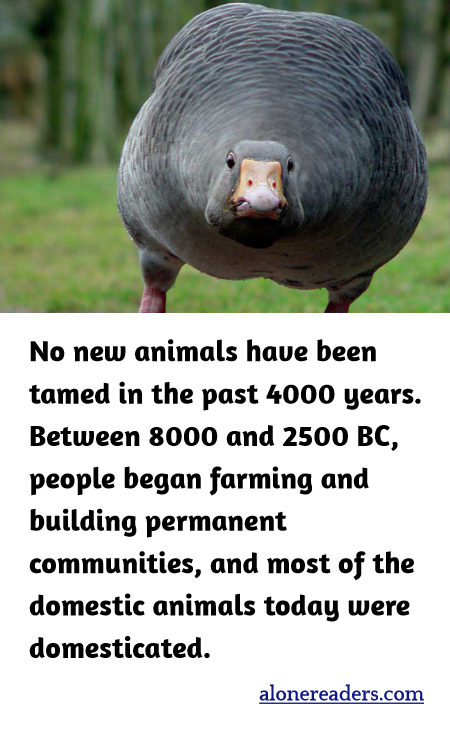
Domestication of animals marked a significant turning point in human history, paving the way for agricultural development and stable societies. Historical records and archaeological findings suggest that the bulk of animal domestication occurred between 8000 and 2500 BC, a period when humans transitioned from nomadic hunter-gatherers to settled agriculturalists. This era led to the domestication of now-familiar animals such as cattle, sheep, goats, pigs, and dogs. These animals provided early humans with a reliable food source, materials for clothing and tools, and improved agricultural productivity through roles such as plowing and transportation.
The domestication process required a combination of environmental suitability, human need, and the inherent traits of the animals themselves. Species that were adaptable to captivity, had a manageable temperament, and a hierarchical social structure were more likely to be tamed. Over generations, selective breeding reinforced traits that were beneficial to humans, often at the expense of the animals' survival instincts and physical characteristics, resulting in the diverse breeds we see today.
Since 2500 BC, there have been relatively few new domestications. This plateau can be attributed to several factors. First, the suite of animals already domesticated by early agricultural communities included species that provided a broad range of benefits, from labor to food to clothing, reducing the necessity to domesticate additional species. Moreover, the challenges associated with taming wild animals and the time required for domestication to become genetically stabilized are significant. Over time, as human societies evolved, technological advancements and imports from other cultures often replaced the need for new domestic species.
Furthermore, the spread of agricultural practices globally meant that instead of needing to domesticate new local species, early farmers could introduce already domesticated animals into new environments. Modern practices have continued along similar lines, focusing more on the genetic refinement of existing domestic species rather than seeking new ones. Recent technological advancements in genetics and biotechnology offer the possibility of more targeted genetic modifications, potentially reducing the need for traditional domestication processes.
In summary, the reasons behind the lack of new animal domestications over the past 4000 years stem largely from the successful adaptation of early domesticated species to human needs and the increasingly global nature of agricultural practices. With the overarching needs that drove early domestications largely met, the impetus for new domestications has significantly diminished, turning the focus towards optimization and adaptation of current animal stocks to better suit contemporary human needs.
