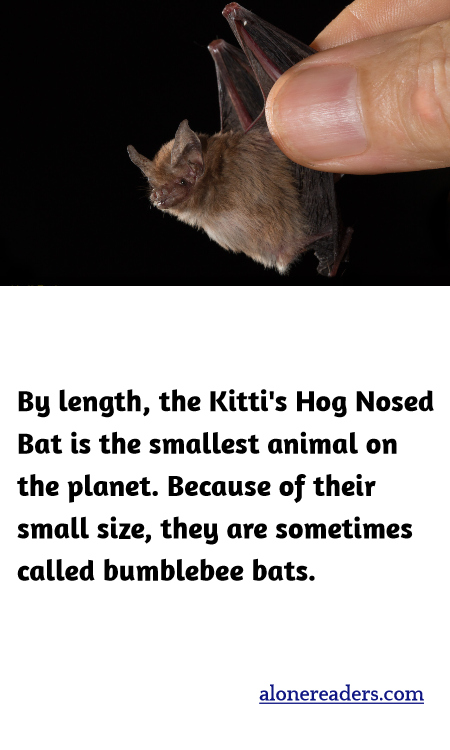
Kitti's hog-nosed bat, often referred to as the bumblebee bat due to its tiny size, holds the title of the smallest mammal in the world when measured by length. Discovered in the limestone caves of western Thailand in 1973 by the Thai zoologist Kitti Thonglongya, this minuscule species has intrigued scientists with its unique physical and behavioral characteristics.
Weighing less than two grams and with a wingspan of approximately 150-160 millimeters, these bats are roughly the size of a large bumblebee, which is how their nickname originated. They exhibit a distinct pig-like snout, and their bodies are covered with a reddish-brown or grey coat. Adapted to life in the dark, their eyes are relatively small, and they rely primarily on echolocation to navigate through their cave habitats.
The Kitti’s hog-nosed bat roosts in groups that can range in size from 10 to over 100 individuals, depending on the size of the cave chambers they inhabit. Their preferred habitat consists of limestone caves along rivers, where they reside in the darker, quieter areas. These bats emerge at dusk to feed on insects, particularly flies and spiders, which are abundant in their forested environments.
However, the fascinating existence of Kitti's hog-nosed bats is threatened by habitat destruction and disturbances to their cave ecosystems. Deforestation and the degradation of their natural habitats for agricultural purposes pose serious threats to their populations. Moreover, because these bats are confined to such specific and localized habitats, they are particularly vulnerable to these changes.
Conservation efforts are critical in ensuring the survival of these unique creatures. Protecting their natural habitats and regulating cave tourism are vital steps in preserving the delicate balance of their ecosystems. Education and awareness campaigns can also help in generating interest and support for conservation initiatives aimed at protecting the world's smallest mammal.
The existence of the Kitti’s hog-nosed bat highlights the incredible diversity of mammalian life on Earth and the importance of conservation efforts to protect such unique species. Through continued research and protective measures, there is hope that this tiny bat will continue to thrive in the forests of Thailand.
