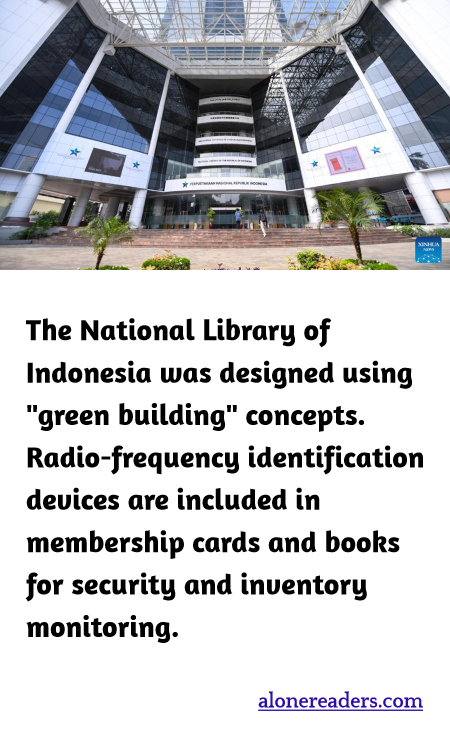
In the heart of Jakarta, the National Library of Indonesia stands as a beacon of cultural preservation and modern environmental design. Embracing the "green building" concept, the library is designed to minimize environmental impact while providing a state-of-the-art facility for visitors and researchers alike. Such sustainable building practices include the use of energy-efficient materials and systems that reduce water and electricity consumption, which significantly lowers the building's carbon footprint.
A key feature of the National Library is its strategic use of Radio-Frequency Identification (RFID) technology. This technology is embedded in both the library's membership cards and the books themselves. RFID chips facilitate a more streamlined management of library resources, enhancing security and simplifying inventory processes. Through RFID technology, each item in the library's vast collection can be easily tracked and monitored. This reduces the potential for theft and misplacement, ensuring that valuable resources are safeguarded.
Moreover, the inclusion of RFID devices allows for automated check-ins and check-outs, reducing wait times and increasing efficiency for library patrons. This system provides a seamless user experience, from entry into the library to the borrowing of materials and eventual return. It also supports the library staff by alleviating some of their administrative burdens, enabling them to focus more on customer service and less on manual management of the collection.
The combination of green building principles and advanced RFID technology illustrates the National Library of Indonesia's commitment to sustainability and innovation. It serves as an example to institutions worldwide, demonstrating that cultural preservation and environmental responsibility can go hand in hand with technological advancement. As the library continues to evolve, it remains a vital resource for knowledge seekers, while also contributing to a more sustainable future.
