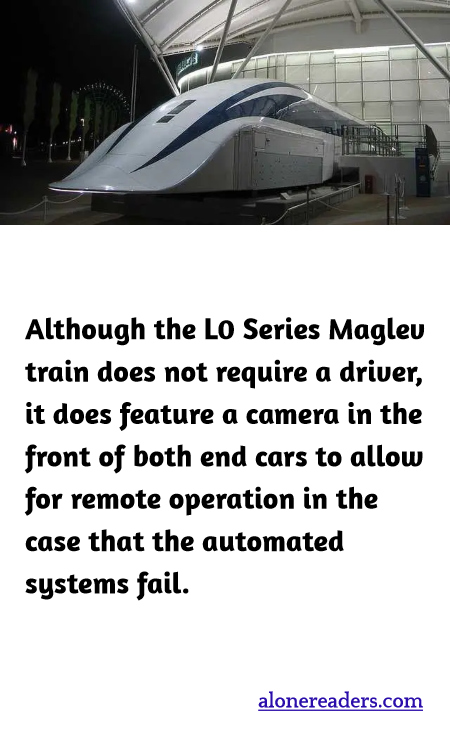
Maglev trains, short for magnetic levitation trains, embody a transport technology that uses magnetic forces to lift and propel vehicles forward. Among these, the L0 Series Maglev train in Japan represents a pinnacle of this innovative technology. Unlike conventional trains that rely on wheels and tracks, maglev trains hover above the tracks through powerful electromagnets, reducing friction and allowing for higher speeds. Impressively, these trains can reach speeds exceeding 600 km/h (373 mph), aiming to revolutionize transit by significantly cutting travel times between major cities.
Despite this advanced technology's promise of efficiency and speed, safety remains a paramount concern. The L0 Series Maglev, like many of its contemporaries, operates primarily under automated systems designed to handle various functions from navigation to speed regulation. However, it is noteworthy that these driverless trains have equipped a camera in the front of both end cars. This is not merely a redundancy; rather, it’s a critical feature that ensures safety and operational reliability.
The cameras serve as a vital check against the rare possibility of automated system failures. They allow remote operators to visually assess the train's condition and the track ahead in real-time, offering the ability to step in and control the train manually if needed. This is particularly useful in emergencies where direct human intervention could mitigate potential issues or in situations requiring detailed navigational adjustments that the automated systems might not handle optimally.
Furthermore, the camera system plays a crucial role in enhancing the overall safety of the maglev technology. By providing visual feedback directly to operational centers, it ensures that any obstacles, maintenance issues, or unexpected changes in the train’s path are quickly noticed and addressed. Thus, while the maglev train embodies the future of high-speed rail with its sophisticated balance of complex magnetic systems, the simple addition of a camera adds an indispensable layer of security that ties advanced technology back to human oversight.
In summary, the integration of cameras in the L0 Series Maglev isn’t just about facilitating remote operation; it’s about building trust in new technology. As these trains continue to push the boundaries of speed and efficiency, ensuring the safety of every passenger through both advanced automation and straightforward solutions like visual monitoring defines the prudent approach to embracing futuristic transportation. This blend of high-tech mechanisms and conventional safety measures underscores a thoughtful progression toward redefining intercity travel worldwide.
