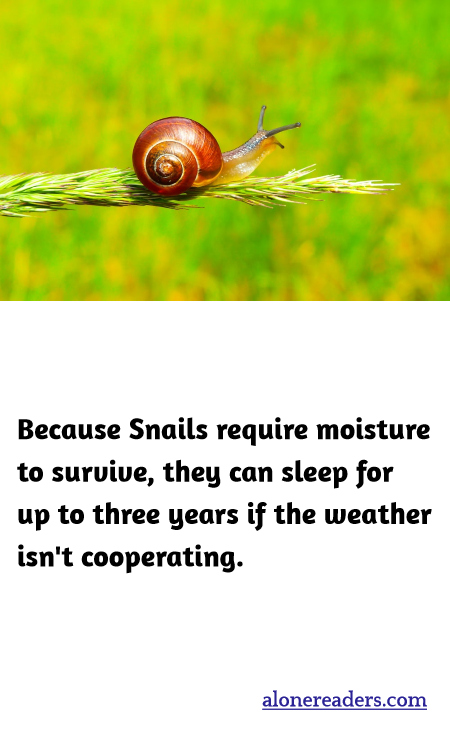
Snails are fascinating creatures, particularly due to their ability to sleep for extended periods under certain environmental conditions. This form of long-term hibernation is primarily a survival tactic. When the weather conditions become excessively dry, snails are able to seal themselves off within their shells, secreting a layer of mucus that hardens to form a barrier called an epiphragm. This mucus shield effectively seals in moisture and protects the snail from harsh external environments, allowing it to conserve energy and minimize water loss.
This capability to go into a dormant state, which could last up to three years, is crucial for their survival especially considering their need for moisture to facilitate their biological processes. During this period, the snail's metabolic activities slow down significantly, which means they require less nutrition and are able to sustain themselves on their reserved energy. This is quite an advantageous adaptation because it means that snails can wait out long periods of unfavorable weather conditions, such as droughts, until the environment becomes moist enough for them to re-emerge and carry on with their life processes.
Furthermore, this intriguing hibernation process allows snails to endure in various climate zones around the world. They are mostly active during wet weather conditions as their bodies tend to dry out quickly. When active, snails will consume large amounts of food to build up energy reserves for their next dormancy. The type of food consumed includes plants, fungi, and algae, which contribute to their nutritional needs.
In understanding snail hibernation, it's clear that these creatures are much more sophisticated than they might appear. Their ability to essentially pause their life and metabolic processes for years is a remarkable adaptation that underscores the complexity of their survival strategies. This form of dormancy not only illustrates the resilience of snails but also showcases the incredible diversity of survival mechanisms in the animal kingdom.
