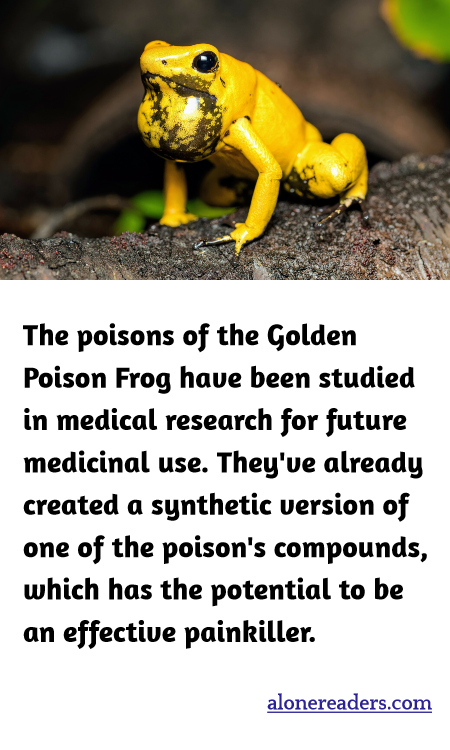
The Golden Poison Frog, known scientifically as Phyllobates terribilis, is considered one of the most toxic animals on Earth. Native to the rainforests of Colombia, this small amphibian's skin secretes a potent toxin called batrachotoxin, which it uses as a defense mechanism against predators. Interestingly, the lethal nature of this toxin has not deterred scientists; instead, it has sparked significant interest in the medical research community due to its potential therapeutic benefits.
Researchers have been particularly focused on the painkilling properties of batrachotoxin. This compound has the ability to block nerve signals, which are responsible for the sensation of pain in the body. However, the direct application of batrachotoxin in its natural form would be far too dangerous, as it can disrupt the proper functioning of heart muscles and nerves, leading to death. This challenge has led to the development of a synthetic version of the compound, which retains the nerve-blocking benefits while mitigating the harmful effects.
The synthetic derivative, often referred to in studies but not yet named in commercial or clinical use, shows promise as a powerful analgesic. Unlike common pain relief medications such as opioids, which have a high potential for addiction and overdose, the synthetic variant of batrachotoxin works through a different mechanism. It provides localized pain relief without affecting the central nervous system, thus potentially reducing the risk of addiction.
The implications for medicine are significant, particularly in the field of pain management. Chronic pain affects millions of people worldwide, and the limitation of current pain relief options has been a significant hurdle. The synthetic compound could lead to new, more effective treatments for patients who suffer from debilitating pain conditions, enhancing their quality of life.
However, while the progress in synthesizing batrachotoxin is promising, there are numerous stages of testing and approval that it must undergo before it can be deemed safe and effective for public use. Clinical trials are necessary to ensure that the compound is not only effective but also safe for use in humans. Researchers must also develop methods to produce the compound at scale sustainably and cost-effectively.
In conclusion, the paradoxical transition of batrachotoxin from a deadly poison to a potential pain-relieving medication exemplifies nature's untapped reservoir of medicinal resources. The ongoing studies surrounding the Golden Poison Frog's toxin represent a fascinating convergence of toxicology, pharmacology, and medicine, highlighting the innovative ways in which lethal substances can be repurposed for the greater good. As research continues, it remains to be seen how this toxic marvel will transform pain management in the medical field.
