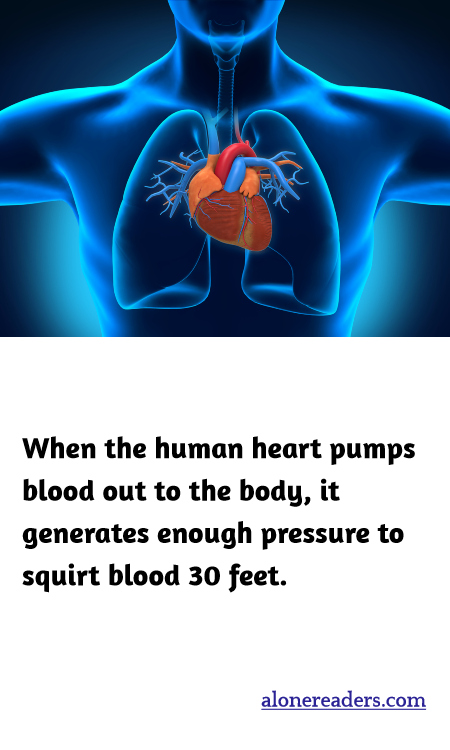
The human heart is an incredibly powerful and efficient pump, capable of some truly astonishing feats. One of the most remarkable capabilities of the heart is its ability to generate enough force to squirt blood up to 30 feet. This fascinating fact highlights not only the strength but also the crucial functionality of the cardiovascular system.
The heart functions through a series of synchronized contractions orchestrated by electrical impulses. Each beat starts in the upper right chamber of the heart (the right atrium) where the sinoatrial node generates an electrical signal. This signal causes the heart muscles to contract, pushing blood through the heart and into the arteries. The left ventricle, the strongest of the heart's four chambers, is primarily responsible for generating the high pressure needed to propel blood throughout the body, delivering oxygen and crucial nutrients to tissues and organs.
When it contracts, the left ventricle ejects blood into the aorta with significant force – the peak pressure can be incredibly high, especially during vigorous physical activity or in stressful situations. In an experimental setting or a hypothetical scenario where blood outflow is not impeded by vascular resistance, this pressure could indeed cause blood to eject at distances up to 30 feet. However, in the practical and biological reality, the body's network of arteries and capillaries vastly reduces this distance, ensuring that the pressure is used to reach every part of the body rather than being wasted in such dramatic fashion.
Understanding the power behind the heart’s ability to pump blood is not only a testament to the wonders of human biology but also underscores the importance of maintaining cardiovascular health. Factors such as high blood pressure, cholesterol, smoking, and lack of exercise can impair heart function and the vascular system, leading to decreased efficiency and increased risk of cardiovascular diseases.
Promoting a healthy lifestyle that includes regular physical activity, a balanced diet, and regular medical check-ups is essential for keeping both the heart and blood vessels functioning optimally. Remember, while the image of the heart pumping blood to such extreme lengths is striking, what truly matters is how well it can sustain its vital role in circulating blood effectively across the body. This not only nourishes organs and tissues but also aids in the removal of waste products, demonstrating the incredible power and importance of our cardiovascular system.
