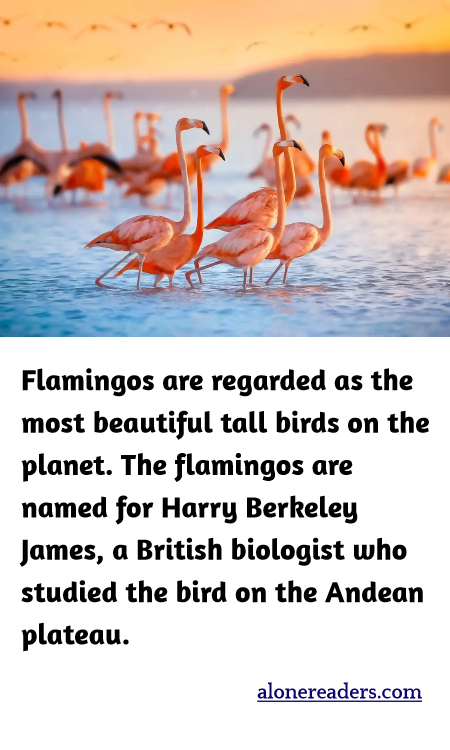
Flamingos, with their strikingly vibrant feathers, elegant stature, and ballet-like movements, are often considered among the most beautiful of the world's tall birds. Their allure is magnified by their dazzling pink and red hues, which can vary from pale pink to a more intense, flaming red. These colors, interestingly, come from their diet which is rich in beta-carotene; a type of pigment found in the algae, larvae, and crustaceans that flamingos eat.
Contrary to popular belief, the name "flamingo" comes from the Spanish and Portuguese word 'flamengo', which means 'flame-colored', referring to their bright feather color rather than any direct connection to a specific individual such as Harry Berkeley James. While James is noted for his studies and contributions to ornithology, particularly in the Andean regions, the connection to naming the flamingos is a misconception. The birds have been observed and admired across various continents long before formal biological studies began. In fact, they have been a part of cultural symbolism and mythology in ancient Egypt and the Americas, signifying beauty and balance.
These birds are also remarkable for their social behavior. They live in large colonies that can number in the thousands which helps in predator protection and increases the efficiency of finding food. The sight of these large groups creates a spectacular view against natural backdrops where they often reside. Flamingos are also known for their monogamous behavior, often mating for life, and both parents take turns caring for the solitary egg that is laid each breeding season.
Adapted to life in salty wetlands and alkaline lakes, flamingos have uniquely structured beaks that allow them to filter food from water and mud while their long legs enable them to wade into deeper waters. These physical adaptations are essential for their survival in often harsh and fluctuating environments.
To see flamingos is to witness a natural ballet of colors, grace, and community. Whether it’s their synchronized movements while feeding or the intricate dances during mating rituals, flamingos continue to capture the imagination and admiration of nature enthusiasts worldwide. As symbols of beauty and resilience, they remind us of the wonders of the natural world and the importance of environmental conservation to ensure such species thrive for generations to admire.
