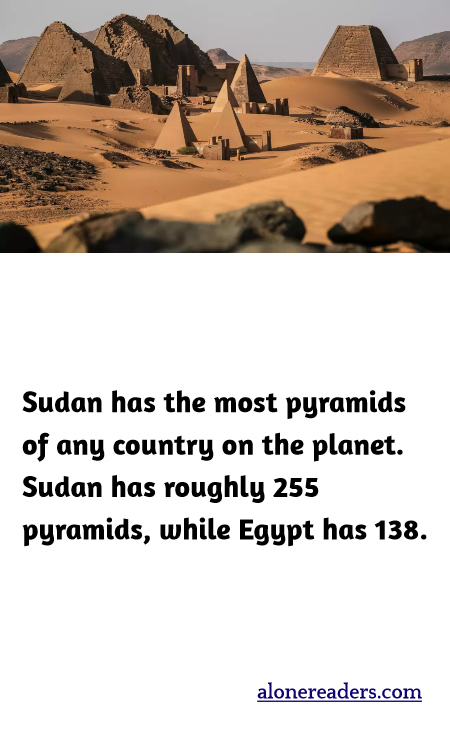
Sudan, often overshadowed by its north neighbor Egypt, holds a lesser-known record when it comes to ancient architectural wonders: it has the most pyramids of any country in the world. With about 255 known pyramids to its credit compared to Egypt's 138, Sudan boasts a rich but frequently overlooked heritage that dates back to the time of the Kushite civilization.
The pyramids of Sudan are primarily located in the ancient sites of Meroë, Nuri, and Jebel Barkal, which are part of the cultural landscape known as the "Island of Meroë." These structures are attributed to the Nubian Kingdoms, specifically the Kingdom of Kush, which thrived between 2500 BC and AD 300. This civilization found itself at the crossroads of multiple cultures due to its trade relations, significantly impacting its art, architecture, and overall cultural developments.
Unlike their more famous Egyptian counterparts, Sudanese pyramids are generally steeper and narrower. They were constructed as tombs for royalty and nobility, and although smaller in size, they are majestic in their historical and architectural significance. The craftsmanship showcased in these constructions reflects a unique blend of indigenous Kushite traditions meshed with Ancient Egyptian influences, which the Kushites adapted after conquering Egypt around 728 BC.
In recent years, the pyramids of Sudan have gained more attention from archaeologists and historians, who are keen to unearth more about the rich history of the Kushite civilization. Despite challenges such as sand erosion and occasional floods, these historical sites have remained relatively intact but are much less visited than the pyramids in Egypt. This lack of attention has arguably helped in the preservation of their original state, giving us a more authentic glimpse into the past.
The importance of recognizing and preserving these monuments cannot be overstressed as they provide significant insights into the historical and cultural dynamics of ancient Africa. They challenge the conventional narratives centered on Egyptian history in northeastern Africa and allow for a more comprehensive understanding of the historical interactions across the continent and beyond. As Sudan continues to stabilize and open up to the world, there is hope that more people will discover and appreciate these ancient treasures, ensuring their preservation for future generations.
