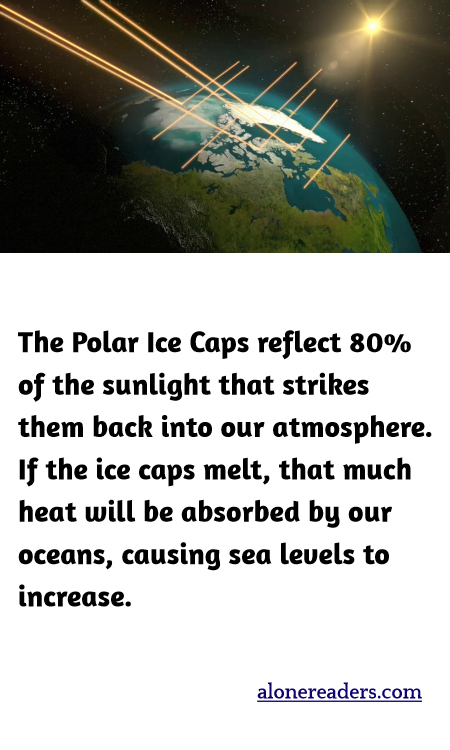
The polar ice caps, massive bodies of ice located at the Earth's poles, serve a critical function in regulating the planet's climate. They reflect about 80% of the sunlight that strikes them, a phenomenon known as the albedo effect. This reflection helps keep the Earth's temperature stable by redirecting sunlight back into the atmosphere, rather than allowing it to be absorbed. However, this delicate balance is under threat due to global warming.
When the polar ice caps melt, less sunlight is reflected back into space. Instead, the dark ocean water exposed by the receding ice absorbs the majority of the sunlight. This absorption increases the temperature of the oceans, contributing to a cycle of warming that leads to further ice melt. This process not only disrupts global temperatures but also affects sea levels. As ice caps melt, they release vast amounts of water that were previously held on land. This runoff contributes to rising sea levels, which can lead to coastal erosion, increased flooding, and the displacement of populations living in coastal areas.
Moreover, the melting of polar ice caps affects global climate patterns including ocean currents and weather systems. For instance, the freshwater released from melting ice can disrupt the salinity levels in oceans, which in turn can alter ocean currents that regulate climate across the globe. Changes in these currents can lead to extreme weather conditions, affecting agricultural productivity, water resources, and overall biodiversity.
This set of changes underpins the importance of the polar ice caps not merely as remote icy realms but as linchpins in the global environmental system. Losing them is not an isolated event but a global catastrophe that could lead to numerous ecological, economic, and social challenges. The need for robust global efforts to reduce greenhouse gas emissions and curb global warming is critical—time is of the essence to maintain the integrity of these ice caps, safeguard global climate patterns, and protect future generations from the impacts of climate change.
