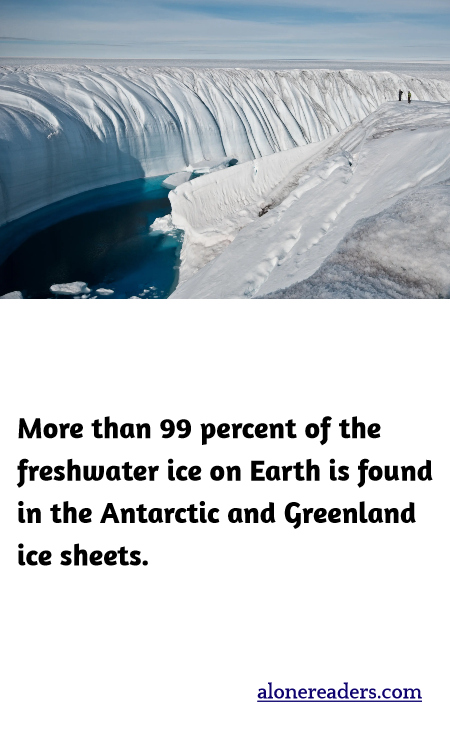
Spanning vast expanses, the ice sheets of Antarctica and Greenland hold more than 99 percent of the world's freshwater ice, a staggering statistic that underscores the enormous significance of these polar regions in global environmental dynamics. The Antarctic Ice Sheet, predominantly larger, covers approximately 14 million square kilometers, making it the single largest mass of ice on Earth. It has the capacity to elevate global sea levels by about 58 meters if it were to melt completely. Greenland's ice sheet, while smaller than Antarctica’s, is still formidable at about 1.7 million square kilometers and would contribute around 7 meters to sea level rise if entirely melted.
The preservation of these ice sheets is crucial due to their impact on global sea levels and climate patterns. Ice sheets are not only pivotal in controlling the planet's climate by reflecting sunlight but also serve as critical reservoirs of freshwater. Melting from these sheets due to global warming contributes to rising sea levels, which pose a threat to coastal habitats and are a significant concern for populations living in low-lying areas worldwide.
Furthermore, ice sheets play a crucial role in Earth's thermohaline circulation, a deep-sea current driven by temperature and salinity differences in water, which helps in distributing heat around the globe. Any significant changes in the ice sheets' mass can disrupt this system, potentially leading to dramatic shifts in climate across different regions.
The extensive ice cover also hosts unique ecosystems, both on the ice itself and in the nearby ocean waters. These environments are home to various species that have adapted to extreme conditions, from microscopic organisms to large marine mammals like seals and polar bears. As the ice melts, these species face the loss of habitat, which in turn affects biodiversity and disrupts existing food chains.
Current scientific efforts focus heavily on monitoring the ice sheets using satellites and ground measurements to understand their dynamics and predict future changes. This research is vital not only for academic purposes but also for informing policy decisions related to climate change mitigation and adaptation strategies. As global temperatures continue to rise, understanding the behavior of these ice sheets becomes increasingly critical in predicting future scenarios and preparing for the impacts of environmental changes.
