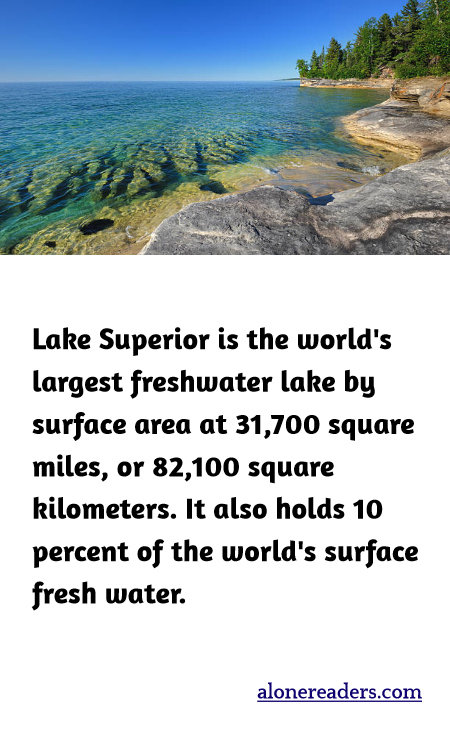
Lake Superior, a natural wonder, stands as the largest freshwater lake in the world by surface area, covering an impressive 31,700 square miles, or 82,100 square kilometers. Nestled in the upper Midwest of the United States and extending into Canada, it outstrips other Great Lakes in sheer magnitude and volume, boasting a distinctive geographical and ecological profile. Remarkably, Lake Superior contains 10 percent of the world's surface fresh water, a vital resource that underscores its global environmental significance.
The lake plays a pivotal role in supporting a diverse range of wildlife and plant species. Its vast waters and surrounding landscapes form a unique ecosystem with cold, nutrient-rich waters that support a variety of fish species such as lake trout, whitefish, and herring. This rich biodiversity makes it a crucial area for both commercial fishing and scientific research. Environmentalists are particularly keen on preserving its pristine condition due to its ecological importance and vulnerability to pollution and climate change.
Additionally, Lake Superior's immense size and natural beauty make it a popular destination for tourists seeking recreation and relaxation. Its rugged shorelines and clear waters offer picturesque views, hiking, boating, and camping opportunities throughout the year. The lake is also steeped in rich maritime history, featuring numerous shipwrecks lying in its deep waters, which attract divers from around the world.
Despite its beauty and ecological importance, Lake Superior faces environmental threats such as climate change, invasive species, and pollution runoff. These issues pose challenges to its water quality and the overall health of its ecosystem. Efforts by government agencies, local communities, and international organizations focus on monitoring the lake’s health and implementing strategies to mitigate these threats. Conservation initiatives aim to preserve Lake Superior's natural environment and ensure that it continues to provide essential resources for generations to come.
In summary, Lake Superior is not only a marvel in terms of its sheer size and water volume but also plays a critical role in environmental sustainability and biodiversity. It stands as a significant natural resource with immense ecological, economic, and recreational value, reminding us of the delicate balance we must maintain to preserve such natural treasures.
