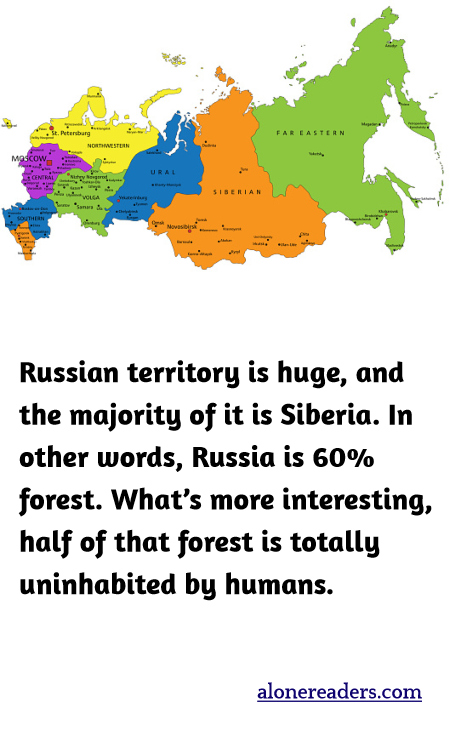
Stretching across the vast expanse of Russia, Siberia forms a significant part of the country's geography, covering about 77% of Russia's territory, which is over 13 million square kilometers. This massive area holds a treasure trove of natural resources and is enveloped by extensive forests, making Russia home to around 60% of the world's forested land. A remarkable aspect of these woodlands is their pristine, untouched nature, with nearly half remaining wholly uninhabited by humans.
The isolation and sheer size of these forests contribute to their mystique and ecological importance. The majority of these woodlands comprise the taiga, or boreal forests, which are characterized by coniferous trees such as pines, spruces, and larches. This biome plays a crucial role in the Earth’s climate system, acting as a significant carbon sink. The dense tree cover not only absorbs carbon dioxide but also influences local and global weather patterns, making these forests critical in mitigating climate change.
However, the very inaccessibility that helps preserve these vast stretches of forest also poses challenges for conservation. Illegal logging, wildfires, and the effects of climate change threaten these habitats, affecting biodiversity and the global climate system. Preserving the integrity of Siberia’s vast forests is not just of national importance but is crucial for global biodiversity and environmental health.
Despite these challenges, the forests offer opportunities for scientific research and eco-tourism, which could potentially bring economic benefits without considerable ecological impact. Efforts are being made on both governmental and non-governmental levels to safeguard these vast, scarcely populated wildlands, while balancing the needs for economic development and environmental conservation.
In conclusion, Siberia’s uninhabited forests are not only a crucial part of Russia’s natural heritage but are also vital to global ecological health. They stand as silent giants in one of the least populated regions on Earth, where the relationship between nature and humanity remains largely untainted, offering us valuable insights into the planet’s ecological past and significant responsibilities and opportunities for its future.
