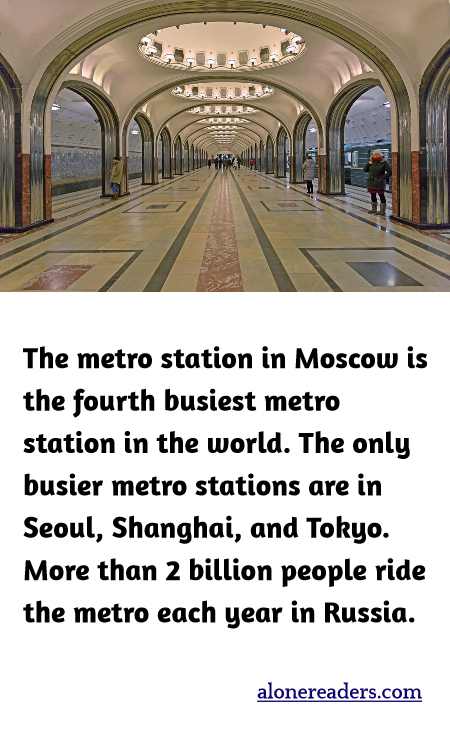
The Moscow Metro, a vital component of Russia's capital, stands as the fourth busiest metro system in the world. This impressive rank follows closely behind sprawling urban networks in Seoul, Shanghai, and Tokyo. Within the intricate labyrinth of the Moscow Metro, more than 2 billion passengers annually navigate their way through its expansive reach, making it not just a critical piece of transportation infrastructure but a cultural icon as well.
The Moscow Metro isn't just about the numbers; its stations are famed for their ornate designs, often likened to underground palaces. Rich in architectural grandeur and steeped in history, stations like Komsomolskaya, Mayakovskaya, and Novoslobodskaya feature stunning mosaics, grandiose sculptures, and elaborate frescoes, turning a regular commute into a journey through art and history. This blending of utilitarian transportation with high art makes the Moscow Metro one of the most unique in the world.
The usability of the Moscow Metro extends beyond its beauty. It is renowned for its punctuality and efficiency, characteristics that are essential for handling the immense volume of daily passengers. The extensive network connects distant parts of the city, making it an indispensable travel option for Moscow's residents and a key factor in the city's economic and social activities. Furthermore, the continuous modernization efforts, including the addition of new lines and stations, are set to keep the system at the forefront of global metro infrastructure.
However, the sheer volume of passengers also presents significant challenges such as overcrowding and the need for constant maintenance. These issues are critical in ensuring the safety and comfort of its users, reflecting the ongoing balancing act faced by the metro authorities between maintaining an old system and continuously improving it to meet modern standards.
In conclusion, the Moscow Metro is more than just a means of transport; it's a cultural landmark, an art gallery, and a testament to Russian engineering prowess. As it continues to transport millions daily, it remains a crucial artery in the lifeblood of one of the world's most dynamic cities, threading the past with the present and moving steadily into the future of urban transit.
