More About This Card
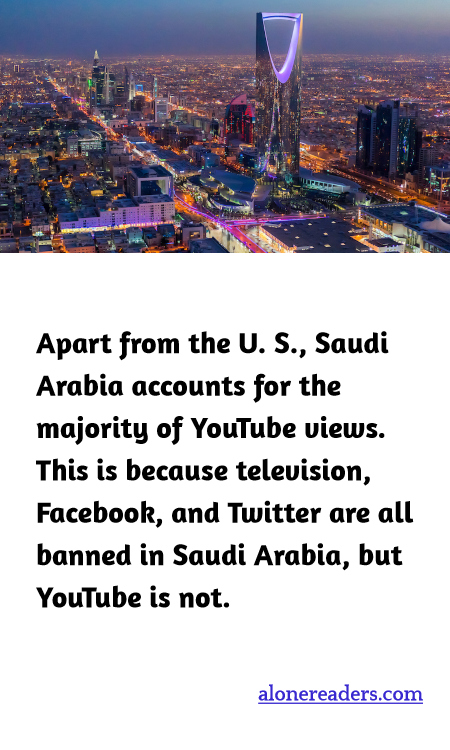
Saudi Arabia, a country known for its strict media regulations, has emerged as one of the largest markets for YouTube outside the United States. The popularity of YouTube in Saudi Arabia can be attributed to several unique cultural and regulatory factors. Unlike many other forms of media and social networking sites, YouTube is not banned in the kingdom. This has allowed it to become a primary source of entertainment and information for the Saudi population.
In Saudi Arabia, traditional television channels are heavily regulated and offer limited programming that adheres to conservative values, which may not appeal to all segments of the population, particularly the youth. Additionally, while it is a common misconception that platforms like Facebook and Twitter are banned in the country, these sites are actually accessible. However, the appeal of YouTube in Saudi Arabia is significantly enhanced by the platform’s ability to offer a diverse array of content that can be more directly tailored to individual interests. Users can watch everything from lifestyle and entertainment to educational tutorials and religious content.
The platform not only serves as an entertainment hub but also as a vital source of information and a form of expression. In a society where direct political commentary is often restricted, YouTube provides a space for Saudis to discuss social issues more freely, harnessing the power of visual media to spark discussions that might be less accessible via other media outlets.
Content creators from Saudi Arabia have gained massive followings and have influenced the spread of new cultural norms and ideas. These YouTubers often tackle subjects that are relevant to the Saudi audience, including day-to-day challenges, cultural traditions, and life aspirations, resonating well with younger audiences, particularly as about 70% of the Saudi population is under 30.
The government itself has recognized the power of YouTube. Initiatives to promote and regulate the production of local content that aligns with national image goals are underway, highlighting the platform’s role in both entertainment and strategic communication. This nuanced relationship between the government, creators, and viewers showcases the unique cultural landscape of media consumption in Saudi Arabia.
In conclusion, YouTube’s success in Saudi Arabia is a reflection of its ability to serve as a versatile and accessible platform for a variety of voices and interests in a region with otherwise limited media freedom. Its role goes beyond entertainment, bridging the gap between traditional cultural expressions and modern media consumption habits, and offering a fertile ground for the transformation of societal norms.