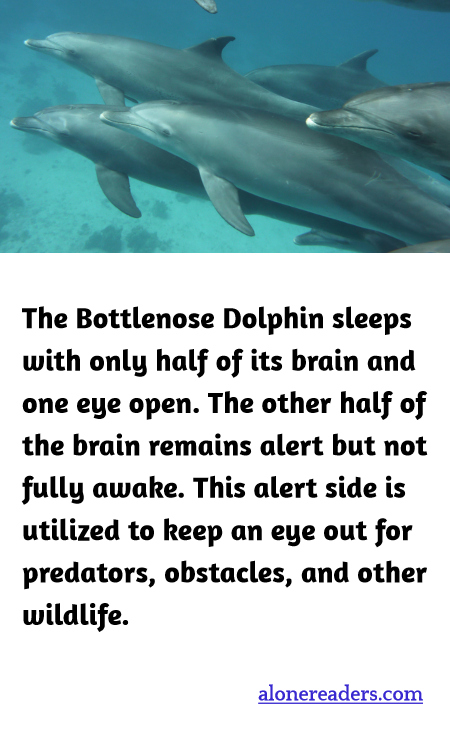
More About This Card
Dolphin fish, commonly known as mahi-mahi or dorado, exhibit a fascinating color transformation that has intrigued both fishermen and marine biologists alike. This species is especially known for its dazzling colors and striking appearance. In the water, the dolphin fish displays a vibrant array of colors, predominantly golden on the sides, with blues and greens on the dorsal side that blend seamlessly into the aquatic surroundings. These colors are not just for show; they play a critical role in their survival, providing camouflage and helping them in mating rituals and territorial disputes.
However, an intriguing phenomenon occurs when dolphin fish are removed from their aquatic environment. Upon leaving water, the vivid gold, blue, and green hues of the dolphin fish begin to fade rapidly, transitioning to a more muted silvery tone. This drastic change can be attributed to several physiological and biological factors inherent to the species. The vibrant colors of the dolphin fish are mainly due to specialized cells known as chromatophores, which contain pigments that reflect light in various wavelengths. In their natural habitat, these cells are actively manipulated to display vivid colors which can help with thermal regulation, by absorbing or reflecting sunlight, and serve as a form of communication with other dolphin fish.
When the dolphin fish is removed from water, the change in environment leads to a rapid adjustment in the physiological state of the fish. Stress plays a significant role in this color transformation. Stress hormones might lead to a contraction of the pigment-containing cells, causing the fish's coloration to become less pronounced and resulting in a silvery appearance. Moreover, the absence of light refraction through water also contributes to the apparent loss in color vibrancy. Underwater, light bends and scatters, enhancing the natural colors of the dolphin fish, a visual effect that ceases once the fish exits the environment.
Understanding these color changes in dolphin fish not only sheds light on the adaptive mechanisms of marine life but also highlights the sensitivity of fish to environmental changes. For conservationists and researchers, observing such transformations provides insights into the health and stress levels of marine species, which is crucial for their management and conservation. The vibrant coloration of the dolphin fish, therefore, is not only a spectacle for fishermen and marine enthusiasts but also a critical indicator of the environmental states and dynamics of oceanic ecosystems.