More About This Card
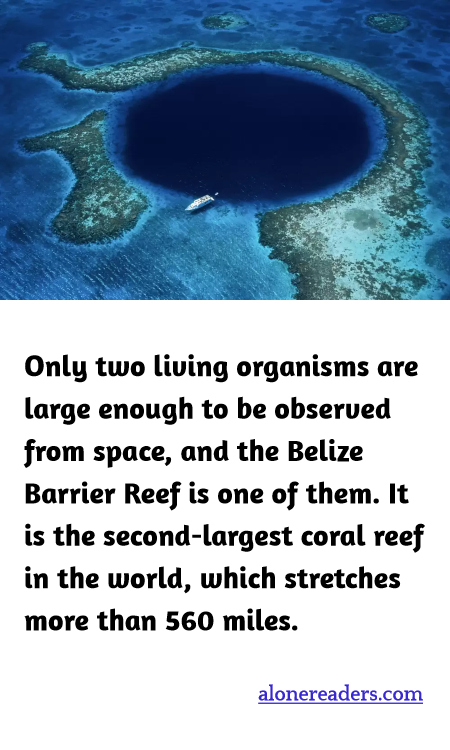
The Belize Barrier Reef stands as one of the most majestic and significant natural structures on Earth. Remarkable for its sheer scale, it is the second-largest coral reef system in the world, only surpassed by the Great Barrier Reef in Australia. Extending over 560 miles along the coast of Belize, it presents a vibrant underwater universe teeming with life and is one of only two living organisms visible from space, the other being the Great Barrier Reef.
This extraordinary reef is a critical component of the Mesoamerican Barrier Reef System and consists of a diverse array of coral types and marine species. It serves as a habitat for an impressive variety of marine wildlife, including endangered species like the West Indian manatee, the green turtle, and numerous types of sharks and rays. The structure of the reef itself is comprised of several different formations, including fringing reefs, barrier reefs, and atolls, each providing specialized habitats that foster rich biodiversity.
The ecological significance of the Belize Barrier Reef is profound. Coral reefs, often called the rainforests of the sea, are some of the most biologically diverse ecosystems on the planet. They support marine life by providing food and shelter, and also offer natural protection for coastlines against erosion from waves and storms. Furthermore, the reef's health is an important indicator of the overall health of the marine environment, serving as a canary in the coal mine for environmental changes such as water temperature rises and acidification.
However, this natural wonder faces significant threats, primarily from human activity. Issues such as overfishing, coastal development, pollution, and the impacts of climate change, such as coral bleaching, pose severe risks to the reef’s health and sustainability. The balance of this ecosystem is delicate, and the impact of losing such a habitat would reverberate throughout the ocean's systems. Recognizing the global importance and vulnerability of the Belize Barrier Reef, conservation efforts are continually being implemented. These include establishing marine protected areas, regulating fishing activities, and promoting sustainable tourism practices.
The Belize Barrier Reef not only serves as a critical life support system for marine life but is also a hub for economic activity in Belize, predominantly through tourism and fishing. It attracts vast numbers of snorkelers, divers, and marine biologists each year, all eager to witness its vibrant marine life and spectacular coral formations. This underscores the need for concerted global efforts in preservation to ensure that future generations will also be able to experience and benefit from this natural treasure. The relentless work of conservationists, coupled with international support and effective management, is crucial for safeguarding the enduring beauty and ecological function of the Belize Barrier Reef.