More About This Card
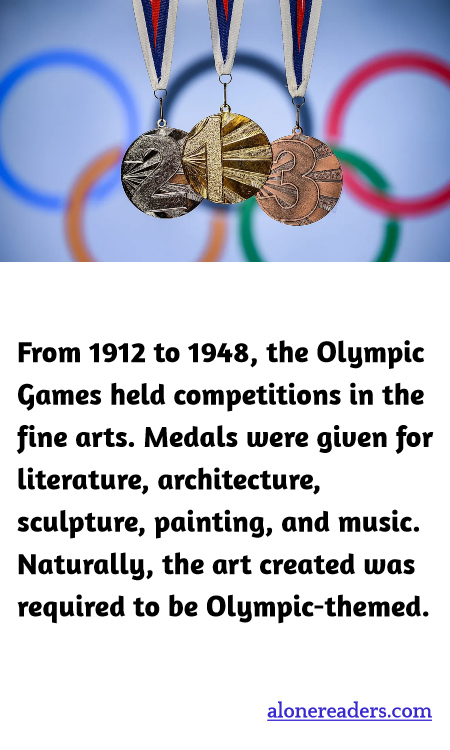
At a time when the Olympic Games sought to blend physical prowess with cultural significance, the addition of arts competitions from 1912 to 1948 marked a unique era in the history of the Olympics. This period allowed artists participating in categories such as literature, architecture, sculpture, painting, and music to stand on equal footing with athletes when it came to competing for medals. Reflecting the Olympic spirit, every piece of art submitted required an Olympic theme, ensuring that the works celebrated the ideals of the Games.
The inclusion of fine arts in the Olympic Games was inspired by the ancient Greek tradition of promoting culture alongside sports. Baron Pierre de Coubertin, the founder of the modern Olympics, believed that art competitions would enhance the value of the Games and foster a more profound connection between diverse forms of human expression. Competitors included not only professional artists but also architects and writers who sought recognition in an international arena usually reserved for athletes.
The competitions were structured similarly to the athletic events. Judges, assembled from various nations, were tasked with awarding gold, silver, and bronze medals to the artists based on creativity, artistic merit, and representation of the Olympic ethos. Among the notable laureates was Walter W. Winans, an American who won medals in both the arts (sculpture) and in an actual sporting event (shooting), embodying the original Olympic ideal of a sound mind in a sound body.
However, these art competitions slowly began to face criticism and logistical challenges. Critics argued that the judging was too subjective, and there were inconsistencies in how different countries valued art. Furthermore, issues such as the difficulty in transporting large sculptures or installations, variable participation levels among countries, and the dominance of professional artists over amateurs led to diminishing interest by the mid-20th century.
By 1948, the Olympic Committee decided to eliminate the art competitions from the Games. Instead, cultural exhibitions became a staple part of the Olympic festivities, allowing artists to showcase their works without the competitive aspect. While the art contests were discontinued, the spirit of celebrating cultural achievements alongside athletic excellence continues to be a staple of the Olympic Games, preserving a holistic approach to human skills and endeavors.