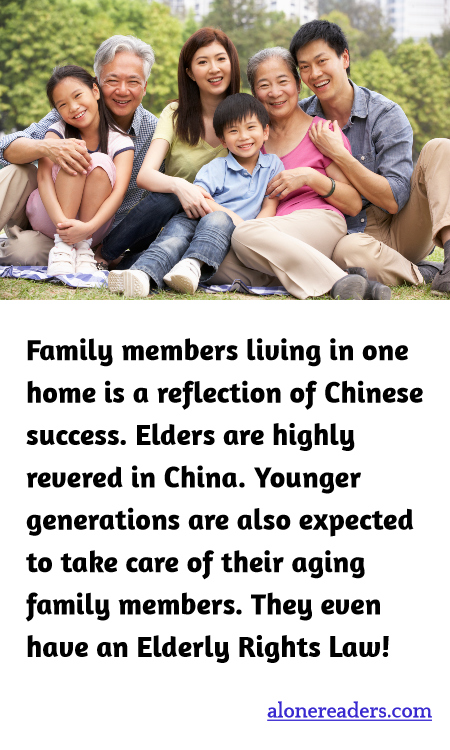
In China, the traditional concept of family extends beyond just living together; it is a cornerstone of societal structure and personal success. The very essence of a successful life in Chinese culture often includes having multiple generations under one roof, which not only strengthens family bonds but is also viewed as a symbol of prosperity and stability. This multi-generational living arrangement ensures that the family support system is tangible and practical, contributing significantly to both emotional and financial well-being.
Elders are especially revered in Chinese society. This deep respect is not just an emotional or moral guideline but is also ingrained in practical daily living and legal frameworks. Traditionally, elders are seen as custodians of wisdom and family heritage, deserving of respect and care from their younger family members. The role they play in the family goes beyond being grandparents; they are often actively involved in the upbringing and education of their grandchildren, and their advice is sought in family matters.
Understanding the significance of this familial interdependence, the Chinese government introduced the Elderly Rights Law, which legally mandates adult children to look after their aging parents. The law not only enforces the care and visitation of elderly parents but also encompasses aspects of emotional support, ensuring that they are not neglected. Such legislation highlights the societal norm and expectation that honoring and caring for one’s parents is a duty, not just a choice.
Moreover, younger generations, even as they pursue modern lifestyles and careers, still adhere to these traditional values, demonstrating a sense of duty and gratitude. In turn, the elders contribute to the household, often helping manage the home or care for young children as both parents work. This reciprocal relationship enhances the social fabric and economic functionality of Chinese households, reducing the need for external services and fostering a self-reliant community model.
Therefore, the practice of multiple generations living together in China is more than just a living arrangement; it is a thriving model of familial and societal success. It reflects a deeply rooted cultural norm where family is the bedrock of support, education, and mutual respect. Through such intergenerational support systems, the Chinese have cultivated a sustainable model of success that nurtures both the individual and the collective, demonstrating a profound balance between tradition and the dynamics of the modern world.
