More About This Card
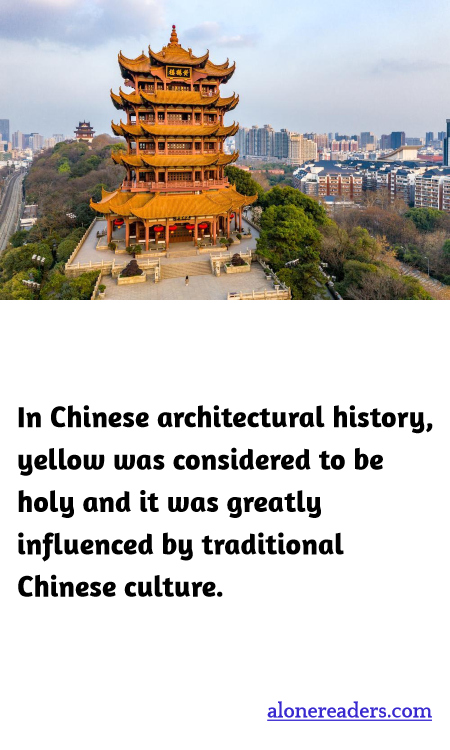
In traditional Chinese architecture, the color yellow holds a profound significance that is deeply interwoven with the cultural and spiritual life of China. Rooted in the Five Elements theory and strongly influenced by Taoist and Confucian philosophies, yellow became synonymous with power, prestige, and sacredness. It was designated as the imperial color during various dynasties, notably beginning with the Tang dynasty, and continued to be reserved primarily for the emperor and his palace during the subsequent Yuan, Ming, and Qing dynasties.
The philosophical and cultural reverence for yellow is closely linked to its association with the Earth element, one of the five fundamental elements believed to compose the universe. According to ancient cosmology, Earth was considered the center of the cosmic structure, harmonizing the other elements of wood, fire, metal, and water. Earth's central attribute and its representative color, yellow, symbolized balance, neutrality, and fertility. This conceptual linkage reinforces the idea that yellow was not merely a color choice but a reflection of the universe's order and harmony, with the emperor seen as the earthly embodiment of this balance.
The Forbidden City, the imperial palace complex at the heart of Beijing, is a supreme example of this color symbolism. The rooftiles are famously glazed in yellow, signifying the emperor's exclusive connection to the divine and his supreme authority over the land and its people. Notably, it is said that no other building outside the imperial family was permitted to use yellow tiles, underlining the color’s exclusivity and its ties to imperial power.
This reverence for yellow extended beyond mere architecture. In the realm of art and daily life, it influenced clothing, art, and religious practices. During important festivals or court ceremonies, yellow featured prominently in the decorations and attire, reinforcing its status as a sacred and ceremonial color.
Moreover, the cultural significance of yellow in China reaches beyond the historical and imperial narrative. It also plays a role in traditional Chinese medicine and is associated with health and sustenance, seen in the use of yellow herbs and foods believed to promote balance and wellness.
In sum, yellow in Chinese architecture is not just a color but a symbol of a much larger system of cultural beliefs and practices. Rigorous yet elegant, it stands as a testament to the philosophical, religious, and social values that have shaped, and continue to influence, Chinese society. Through the thoughtful application of yellow, traditional Chinese architecture connects the earthly with the divine, the past with the present, and the emperor with his people.