More About This Card
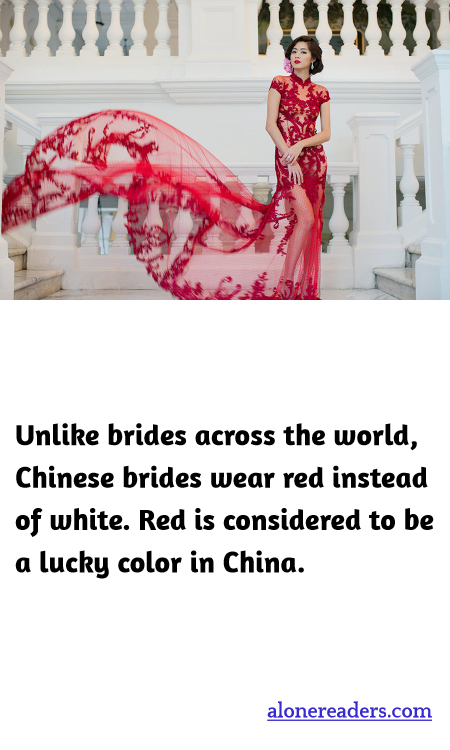
In many cultures around the world, white has been the traditional color of bridal attire, symbolizing purity and innocence. However, in China, the color red takes center stage at weddings, embodying deeper meanings and ancient traditions. Regarded as a symbol of good luck and joy, red is prominently featured in Chinese weddings, making it a distinctly vibrant and auspicious celebration.
The choice of red over white in Chinese weddings is deeply rooted in the country's cultural beliefs and historical practices. Red is considered a lucky color in Chinese culture, believed to ward off evil spirits and bad fortune. This belief is so strong that it influences various aspects of a Chinese wedding, from the decorations to the attire. Unlike the white gowns popular in Western nuptials, Chinese brides traditionally wear a red dress, often referred to as a qipao or cheongsam. This shift in color not only highlights cultural differences but also showcases the rich tapestry of meanings and symbols in Chinese tradition.
The red wedding dress is usually made of rich fabrics like silk and adorned with intricate gold embroidery, symbolizing wealth and prosperity. The designs often include phoenixes and dragons, with the phoenix representing the bride and the dragon symbolizing the groom. Together, these mythical creatures signify a harmonious marriage blessed with success and fortune. The bride’s ensemble is completed with carefully chosen accessories, also featuring auspicious colors and themes, ensuring that every element aligns with the overarching symbolism of good fortune and happiness.
Moreover, the theme of luck and joy is carried throughout the wedding decorations and rituals. Red, along with gold, is used extensively in venue decor, from table linens to lanterns, emphasizing a festive and prosperous atmosphere. Even the wedding invitations and gift envelopes are typically red, adhering to the theme and reinforcing the color's pivotal role in warding off negativity and embracing a joyful future.
This adoption and celebration of red in Chinese weddings are not just a mere preference but a vibrant testament to the culture’s reverence for its heritage and the deep-rooted meanings embedded in its traditions. By choosing red as the primary color for such a significant life event, Chinese couples honor their ancestors and ensure that their union starts on the most auspicious note possible. Thus, while bridal white continues to dominate wedding aisles across much of the globe, the striking red attire of a Chinese bride stands as a powerful symbol of luck, love, and a life of prosperity ahead.