More About This Card
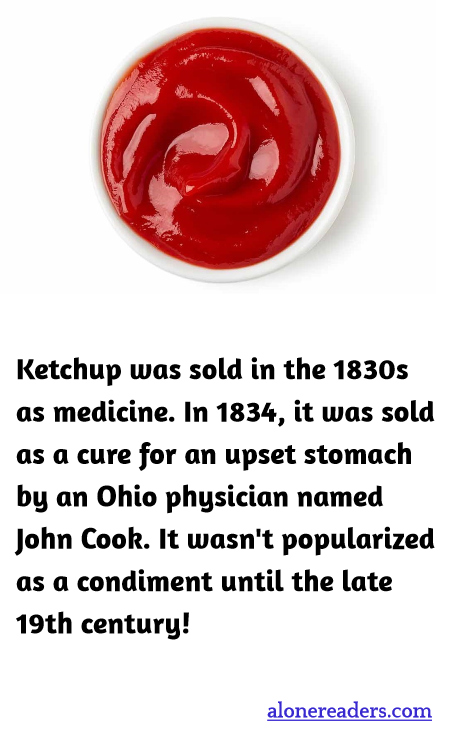
Ketchup, now a staple condiment in cuisines worldwide, notably inherited from American dietary practices, has an intriguing history that deviates far from its current culinary use. Initially, ketchup did not grace dining tables as an accompaniment to meals but was introduced in the medical arena as a treatment. In the early 19th century, ketchup was concocted from various ingredients, including fermented fish, mushrooms, and fruits, which substantially differ from the tomato-based version we are familiar with today.
The transformation of ketchup from a medicine to a popular condiment is attributed to the innovations in preservation and changes in taste preferences. The pivotal year was 1834 when Dr. John Cook Bennett, an Ohio physician, declared tomato ketchup a remedy for digestive malaise. Dr. Bennett believed that tomatoes, which were part of the ketchup recipe, possessed antiseptic properties, and when concentrated, these properties could cure conditions such as diarrhea, indigestion, and jaundice. He went on to market ketchup not only as a health supplement but also in pill form, promoting it as a kind of panacea for various ailments.
Though Dr. Bennett's medical claims did not stand the test of time, they significantly boosted the popularity of tomatoes and led to further innovations in the preparation of ketchup. By the late 19th century, ketchup had pivoted entirely from a medicinal product to a culinary one. With the advent of better preservation techniques, particularly pasteurization, ketchup's shelf life increased, enabling it to be mass-produced and distributed as a condiment.
The final push towards ketchup’s ubiquity in the condiment world was given by food manufacturers like Henry J. Heinz, who started producing ketchup in 1876 using ripe tomatoes and vinegar, essentially setting the template for modern ketchup. Heinz emphasized cleanliness and purity in the manufacturing process, appealing to the burgeoning awareness among consumers about food safety.
Today, while the medicinal origins of ketchup are largely forgotten, its evolution reflects a fascinating journey of a product adapting and thriving in changing social and cultural landscapes. The transition from an alleged medicinal tonic to a beloved condiment underscores not only changes in consumer tastes and dietary practices but also the dynamic nature of food products and their roles within human society. This journey from the doctor's office to virtually every kitchen and restaurant table in America, and indeed much of the world, encapsulates a peculiar but telling aspect of culinary history.