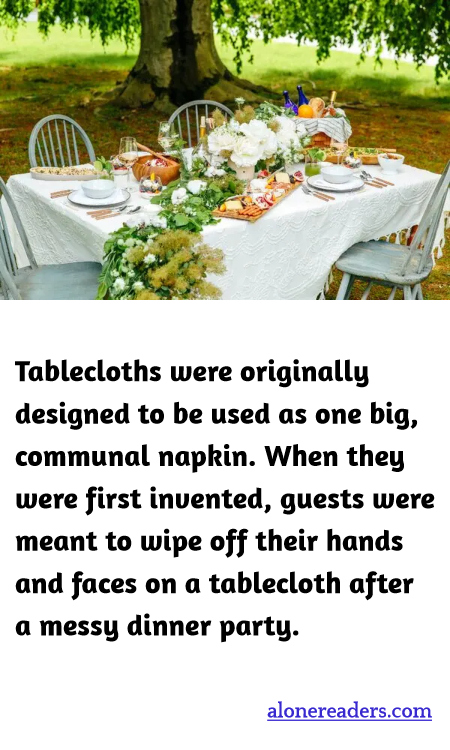
The fascinating evolution of the tablecloth reflects broader changes in social customs and dining etiquette through the ages. It's intriguing to think that tablecloths, now symbols of elegance and table etiquette, started as practical solutions for messy dining. Originating in medieval Europe, tablecloths were indeed used initially as large, communal napkins. During feasts, which often consisted of greasy, hands-on foods, guests would clean their hands and faces on these cloths that covered the tables. This practice wasn’t just common but encouraged, as it was part of the dining experience at that time.
As times evolved, so did the usage of tablecloths. By the Renaissance, they became symbols of wealth and status. The quality, material, and cleanliness of a tablecloth were reflective of a host's standing in society. Fine linens, intricate designs, and bright, spotless appearances were the markers of a well-to-do household. Over time, individual napkins were introduced, evolving from the communal wiping on tablecloths, to further signify refinement and propels new dining standards.
The industrial revolution brought with it the mass production of textiles, making tablecloths and linens more accessible to the burgeoning middle class. Designs became more varied and could be easily replaced, which shifted the practical and aesthetic value of tablecloths in society. They were no longer just luxurious items for the elite but commonplace in average homes, where they added a touch of grace and decorum to any dining table.
Today, the diversity in tablecloth materials and designs is vast, reflecting not just individual style but also cultural traditions. They are integral to setting the mood and theme of meals, from everyday dining to festive and formal occasions. Some modern tablecloths incorporate smart textiles, which are stain-resistant or even antimicrobial, providing both utility and style.
Looking back at their origins as communal napkins, tablecloths exemplify how cultural practices evolve with human creativity and societal changes. From practical beginnings to elegant essentials, tablecloths have certainly woven their way through history, leaving a mark on the fabric of dining culture.
