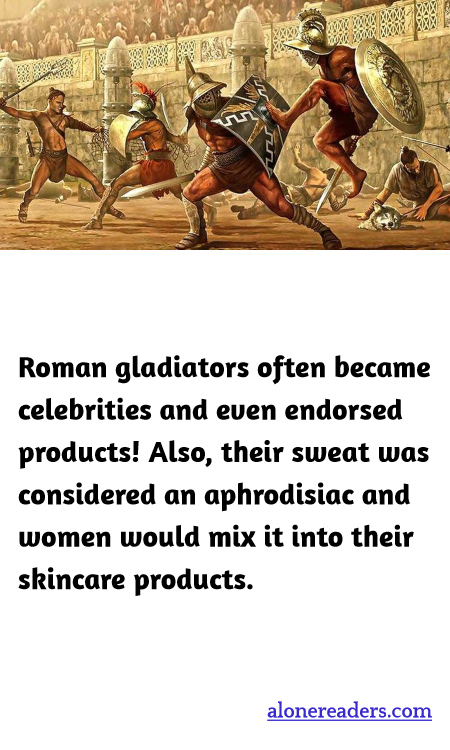
In ancient Rome, gladiators held a paradoxical position of both infamy and allure, swinging between being considered social outcasts and revered public figures. Despite their often brutal and short-lived career paths, many gladiators ascended to levels of fame that could be likened to modern-day sports stars, enjoying immense popularity particularly among the lower classes. They were subjects of widespread adulation, and their influence was such that they sometimes endorsed products. Merchants saw the benefit of associating their goods with these well-known warriors, leading to a commercial symbiosis that presaged today’s celebrity endorsements.
This fascination extended beyond the arena. Roman society attributed magical properties to the very essence of gladiators. Notably, gladiator sweat was highly valued, particularly among Roman women, who believed it had beautifying and aphrodisiac properties. After bouts, gladiators would scrape off their sweat and dirt with a tool called a strigil. This mixture, when combined with oils and dust from the arena, was then collected and sold as a luxurious cosmetic product. Among the upper-class Roman women, it became fashionable to use this concoction, known as "gladiatorum sudor," in their skincare routines.
The fascination with gladiators underscores a broader cultural phenomenon where the bloody spectacles of the arena enthralled the public, and everything associated with the fighters became imbued with a certain significance. This cultural obsession also reflects the Romans' attitudes towards body, health, and beauty, illustrating a society that was constantly in search of exotic ingredients and rituals to enhance personal allure and maintain social status. The allure of gladiators and their associated products presents a striking example of how celebrity culture and vanity were as prevalent in the ancient world as they are today, albeit in starkly different forms.
