More About This Card
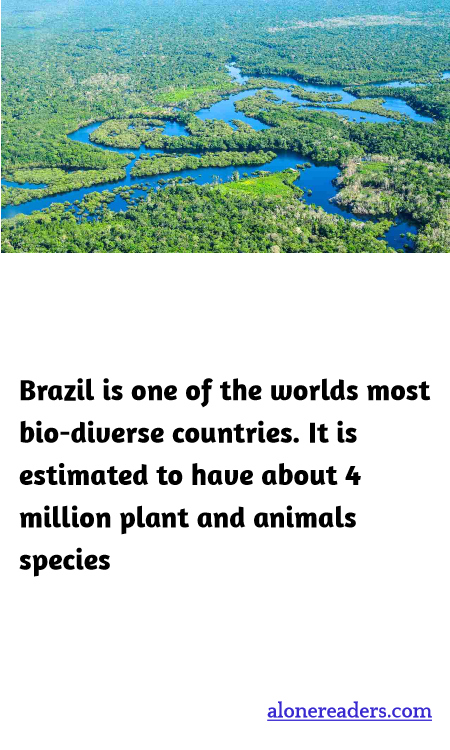
Brazil, covering a substantial portion of the South American continent, is a tapestry of rich and vibrant ecosystems that are unmatched in their biological diversity. With an estimated 4 million species of flora and fauna, the country is a veritable laboratory of life, hosting everything from microscopic organisms to majestic vertebrates. This staggering level of biodiversity places Brazil at the forefront of global conservation efforts, as well as subjects it to intense pressures from human activities.
The Amazon Rainforest, often referred to as the “lungs of the Earth,” is perhaps the most well-known of Brazil’s diverse ecosystems. It alone houses approximately one-tenth of all species in the world. This vast region's importance cannot be overstated, not only in terms of the number of species it supports but also for its role in regulating the global climate. The dense forests serve as an enormous carbon sink, absorbing carbon dioxide and helping to mitigate climate change.
Beyond the Amazon, Brazil's other ecosystems are no less impressive. The Cerrado, a tropical savannah, offers a different but equally rich biodiversity. It is renowned for its variety of plant species, many of which are not found anywhere else on the planet. Similarly, the Pantanal, the world’s largest tropical wetland area, is an extraordinary mosaic of seasonal floodplains teeming with life. It is especially noted for its spectacular concentrations of aquatic birds and diverse populations of aquatic mammals and predators, which creates a dynamic and interdependent ecosystem.
Brazil's Atlantic Forest, or Mata Atlântica, stretches along the country’s Atlantic coast and once covered an area seven times larger than it does today. Despite the significant reduction of this forest due to urban expansion and agriculture, it remains one of the most diverse forests in the world, with a vast number of species that are endemic — existing nowhere else on Earth.
However, the richness of these ecosystems is under constant threat from deforestation, agricultural expansion, urban development, and other human activities. Deforestation in the Amazon, for instance, primarily due to logging, agriculture, and cattle ranching, has seen a substantial portion of this forest disappear, affecting thousands of species and impacting the global climate.
Conservation efforts are underway to mitigate these effects, involving both government initiatives and non-governmental organizations working tirelessly to protect and preserve these unique environments. Additionally, the recognition of the rights of indigenous peoples, who play a critical role in maintaining the ecological balance of these areas, is increasingly seen as a vital part of conservation strategies. These efforts are crucial not only for the survival of Brazil's incredible biodiversity but also for the health of the planet as a whole. The sustainable management of Brazil's natural resources, coupled with effective conservation strategies, continues to be of international importance, highlighting the need for global cooperation in tackling environmental issues.