More About This Card
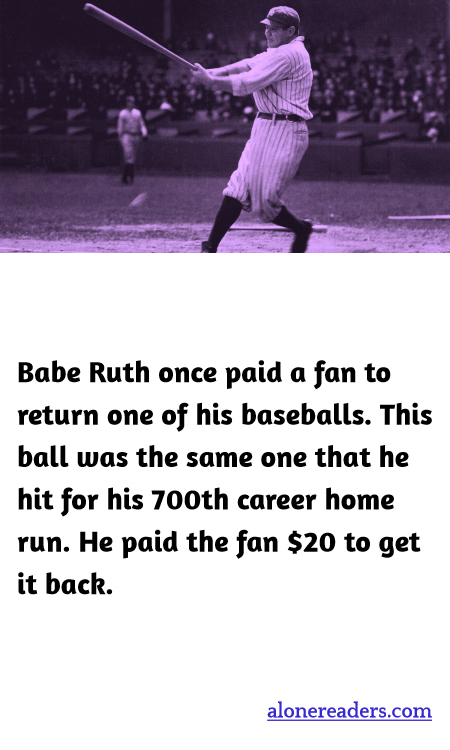
In the annals of baseball history, few figures loom as large as Babe Ruth, the legendary slugger known for his towering home runs and larger-than-life personality. One of the most celebrated incidents in Ruth's storied career involved his 700th home run, a milestone that further solidified his status as one of the game's greats. This particular home run, hit on July 13, 1934, at Navin Field in Detroit, was not just a number in the record books; it became the center of a unique story that blends sportsmanship with personal sentiment.
As Ruth rounded the bases after hitting a pitch from Detroit Tigers' pitcher Tommy Bridges, the ball sailed into the stands, where it was caught by a fan. Given the significance of this home run—Ruth was only the second player in MLB history to reach this milestone, following his own previous records—the ball was instantly a valuable piece of sports memorabilia. However, its value extended beyond monetary worth for Ruth. Understanding the personal and historical significance of the 700th home run ball, Ruth decided he wanted to keep this token of his achievement.
In an era when the average salary was just a fraction of today's earnings and the memorabilia market was not as robust as it is now, Ruth approached the fan who had caught the ball. Demonstrating his characteristic blend of generosity and foresight, Ruth offered the fan $20 in exchange for the ball—an amount that was quite considerable during the Depression era. The fan, recognizing the opportunity to own a piece of history and perhaps moved by Ruth's request, agreed to the deal.
This story exemplifies not only Ruth's understanding of the historical significance of his feats but also his personal desire to preserve artifacts of his own legacy. This act of retrieving the ball can be seen as an early example of sports memorabilia collecting, a practice that would grow immensely in the following decades. Moreover, it reflects the personal connection and mutual respect between athletes and their fans, a dynamic that has always been a vital part of sports culture.
Today, the story of Ruth paying $20 to retrieve his 700th home run ball underscores the early financial and emotional value placed on sports memorabilia, and it highlights Ruth's foresight in valuing his sporting achievements. It remains a charming anecdote that illustrates the Babe's character and his appreciation for both his accomplishments and his supporters.