More About This Card
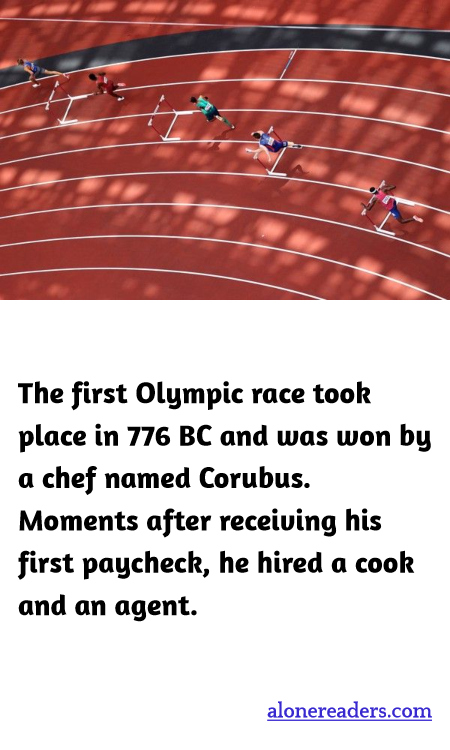
The Olympic Games are a captivating blend of ancient tradition and global sporting excellence, transcending time to remain one of the most celebrated athletic competitions worldwide. The inception of these games can be traced back to 776 BC in Olympia, Greece, a sanctuary site for the Greek gods. The origins of the Olympics were deeply embedded in religious and political significance, which helped to unify the Greek city-states under the banner of sport and fair competition. The first recorded event was a simple yet challenging foot race, about 192 meters long, known as the "stade." The winner of this inaugural Olympic race was Coroebus of Elis, a chef who etched his name into history, not through culinary skills but through his athletic prowess.
The victory of Coroebus marked a significant moment in sports history. Contrary to the jovial myth that he immediately sought the services of a cook and an agent after his victory, the real implications were far more profound. Winning an Olympic event in ancient Greece brought immense honor and recognition. Victors were often given lifetime privileges such as front-row seats to future games, substantial financial rewards, and, most importantly, status elevations in their communities.
In the context of true Olympic spirit, Coroebus's victory was not just a personal triumph, but a communal one. Athletes in these ancient times competed for personal glory and the respect of their peers, but also to honor their city-state and its patron deity. The inclusive nature of the games offered an opportunity for even a humble chef like Coroebus to rise to the highest accolades in athleticism, highlighting the democratic essence of the competition—where the basis of victory was merit, not lineage or wealth.
As the centuries progressed, the Olympic Games evolved and expanded, eventually being absorbed and then disbanded by the Romans who took over Greece. It wasn't until the late 19th century, in 1896, that the Olympics were revived in Athens, reflecting the original spirit of competition and international unity seen in ancient Olympia. This revival, initiated by Baron Pierre de Coubertin, was inspired by the desire to promote physical education and to encourage peace between nations through the universal language of sports.
Today, the Olympic Games continue to foster a spirit of global fraternity and athletic excellence, much as they did over two millennia ago when a short race won by an unlikely athlete began a tradition that would captivate the attention of the world for generations to come. Such events continuously remind us of our shared histories and the timeless values of perseverance, honor, and unity in diversity.